Best LinkMatch Alternative 2026: Sync vs Demand
The best LinkMatch alternative in 2026: LinkMatch syncs LinkedIn profiles to your CRM, ConnectSafely.ai earns inbound—14.6% vs 1.7%, from USD $10/month.

Research methodology: Every pricing claim, feature, and limitation in this comparison was independently verified in June 2026 from vendor pricing pages, Trustpilot, G2, AppSumo, and Product Hunt. Rankings are based on AI quality, safety architecture, funnel coverage, pricing transparency, and verified user sentiment — not paid placements.

Updated June 23, 2026 — Researched against LinkMatch's vendor pages, the Chrome Web Store, and G2. Reviewed by the ConnectSafely.ai editorial team.
The best LinkMatch alternative in 2026 is ConnectSafely.ai — once you are honest about what LinkMatch actually does. LinkMatch (linkmatch.com) is a browser extension that shows whether a LinkedIn profile already lives in your CRM and lets you save or sync that profile into HubSpot, Pipedrive, Zoho, Close, and similar systems in one click, with field mapping and de-duplication. That is genuinely useful plumbing. But it is worth saying plainly: filing a profile into your CRM faster does not make that person want to hear from you.
Want to Generate Consistent Inbound Leads from LinkedIn?
Get our complete LinkedIn Lead Generation Playbook used by B2B professionals to attract decision-makers without cold outreach.
No spam. Just proven strategies for B2B lead generation.
LinkMatch removes admin friction — the copy-paste between LinkedIn and your CRM. That is faster logging, not a different motion. The spine of this comparison is one distinction: logging contacts to work them versus earning inbound demand. A clean, de-duplicated CRM record is plumbing. Buyers messaging you first because they already trust your judgment is the outcome that moves revenue.
That distinction matters because of how pipeline economics work. Inbound leads close at roughly 14.6%, versus about 1.7% for outbound and cold tactics, according to HubSpot's marketing statistics. When demand comes to you, your win rate multiplies. A CRM-sync tool can keep your records tidy and your reps fast, but it sits on the wrong side of that gap — it organizes outreach, it does not create demand. The channel where B2B demand is actually created is LinkedIn. If you want the mechanics before reading on, start with our founder's guide to LinkedIn inbound lead generation.
Key Takeaways
- LinkMatch is a CRM-sync layer, not a demand engine. It shows which LinkedIn profiles are already in your CRM and saves new ones in one click (linkmatch.com) — but a tidier pipeline does not change the fact that the people in it never asked to hear from you.
- Inbound closes ~8x better than outbound. The 14.6% vs 1.7% gap is the strongest argument for earning demand over filing more cold contacts into a CRM (HubSpot).
- LinkMatch is per-CRM and per-seat. A 14-day free trial, then plans reported from roughly $15.99 per user/month for Standard, with Pro tiers around $28.99–$35.99 per user/month; confirm current plans on the official site. You are paying to log contacts faster, not to generate pipeline.
- ConnectSafely.ai starts from USD $10/month and builds organic authority on LinkedIn with zero ban risk — a leading driver of the warm conversations a CRM full of cold records is trying, and mostly failing, to manufacture.
- Review-site praise is about workflow speed, not lead quality. LinkMatch's per-CRM extensions rate well on the Chrome Web Store (4.9 for the HubSpot build, ~4.5 for Pipedrive and Zoho) — praised for fast, clean syncing, which is distinct from generating qualified inbound.
- The two tools answer different questions. "How do I get LinkedIn profiles into my CRM faster?" is a LinkMatch question. "How do I get qualified people to message me first?" is a ConnectSafely.ai question.
What Is LinkMatch?
LinkMatch (linkmatch.com) is a browser extension that connects LinkedIn to your CRM. Its premise is simple: reps waste hours copy-pasting profile details between LinkedIn and their CRM, and they often re-add contacts that already exist. LinkMatch fixes that by showing, right on the profile you are viewing, whether that person is already a record — and letting you save or update them in one click.
Its core capabilities include:
- Instant CRM visibility — open a LinkedIn (or XING) profile and immediately see whether it already exists in your connected CRM, color-coded so you avoid duplicates.
- One-click save and sync — add a profile as a contact or lead with field mapping, and push edits back when details change.
- Enrichment — auto-fill missing fields, including email addresses, on saved records (allowances vary by plan).
- Deals, tasks, and notes — create deals, log activities, and attach notes to a contact directly from the LinkedIn page (Pro tiers for some CRMs).
- Multi-CRM coverage and AI Insights — supports HubSpot, Pipedrive, Zoho CRM, Copper, Close, Insightly, Bigin, plus ATS systems like Greenhouse and PCRecruiter, with AI-powered suggestions on Pro plans. Notably, Salesforce is not among the supported CRMs.
It is a capable tool for a real problem. The point here is not that LinkMatch is bad at its job. It is that its job — keeping CRM records clean and fast to log — supports a motion that, even at its best, converts a fraction as well as inbound. A de-duplicated record gets you the ability to work a contact efficiently; it does not get you a buyer who wanted the conversation.
LinkMatch Pricing
LinkMatch prices per CRM and per seat, with a 14-day free trial and no free plan afterward. The figures below reflect 2026 pricing reported on vendor and review pages; prices vary by which CRM you connect, so confirm current plans on the official site.
| Tier | Price | What you get | Who it's for |
|---|---|---|---|
| Free trial | $0 for 14 days | Full features, no credit card | Evaluating the fit |
| Standard | from ~$15.99/user/month | Contact matching, one-click save, ~300 enrichments, basic editing | Solo reps and founders |
| Pro | from ~$28.99–$35.99/user/month | Bulk export, message sync, AI Insights, auto deals/tasks, priority support | Active CRM teams |
| CSV/Excel | ~$10 per 100 profiles | Pay-per-profile export, no CRM connection | Light, occasional exporters |
Whatever tier you land on, the pattern holds: you are paying per seat, per CRM, to log contacts faster — an efficiency cost on a motion that closes around 1.7%. A cleaner CRM, faster, is still a CRM full of people who did not raise a hand.
Where LinkMatch Is Genuinely Better
In the interest of an honest comparison, here is where LinkMatch wins outright and ConnectSafely.ai does not compete:
- De-duplication at a glance. Seeing whether a profile is already in your CRM before you save it is a real, daily time-saver that prevents messy duplicate records.
- One-click, mapped syncing. Pushing a LinkedIn profile into HubSpot, Pipedrive, or Zoho with clean field mapping beats manual copy-paste every time.
- CRM-native activity logging. Creating deals, tasks, and notes from the profile keeps reps in flow and CRM data current.
- Broad CRM and ATS coverage. Supporting many CRMs and recruiting systems makes it flexible for sales and talent teams alike.
If your goal is to keep your CRM clean and log LinkedIn contacts efficiently, LinkMatch is a reasonable pick. If your goal is to stop relying on cold lists by getting buyers to come to you, keep reading.
Why You Need a LinkMatch Alternative
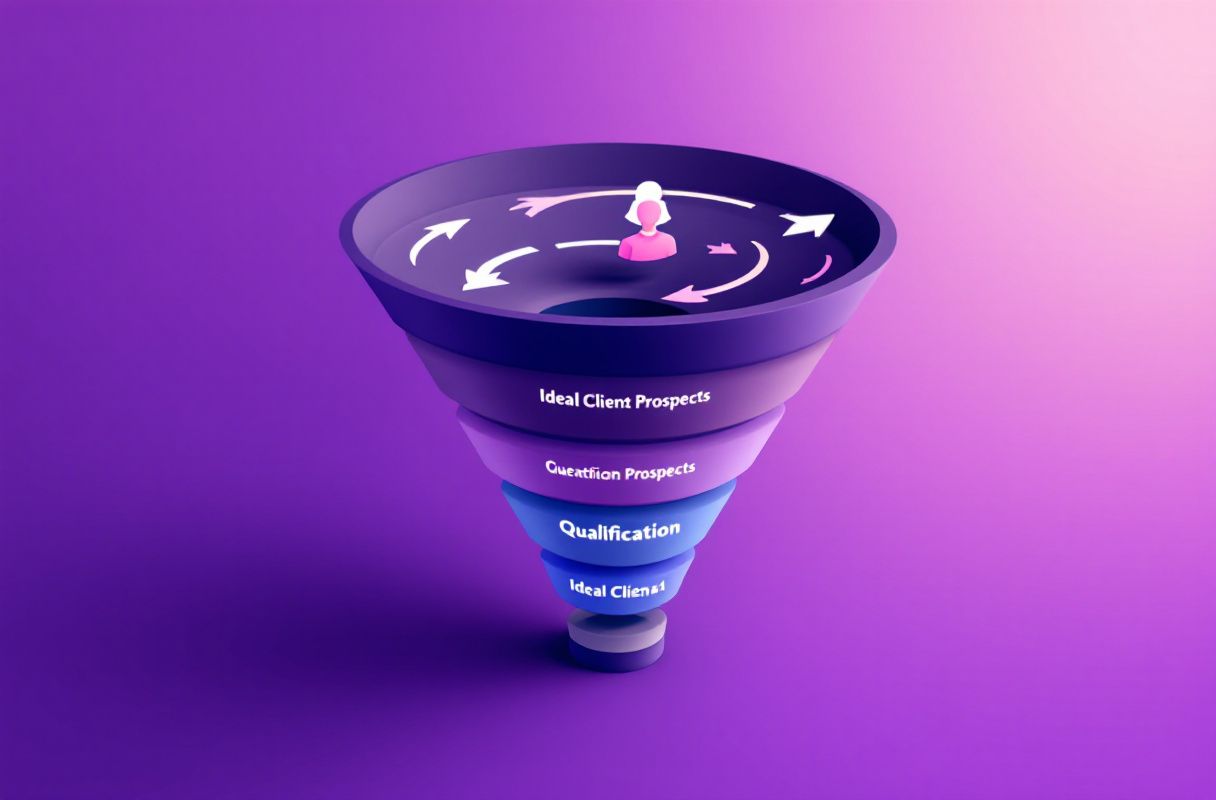
The case for an alternative is not that LinkMatch is bad. It is that syncing contacts feeds the admin layer of a motion with a structurally low ceiling, while most teams have a different problem: not enough qualified people who already want to talk to them.
Problem 1: A CRM record is not permission
This is the whole thing. Logging a profile into your CRM lets you organize a conversation — but organizing a conversation is not the same as being wanted in one. You are still working strangers, and the entire motion converts at roughly 1.7% (HubSpot).
LinkMatch makes the logging tidier, not the math better. You can sync a thousand profiles into HubSpot with perfect de-duplication and still be fighting for attention you have to manufacture from scratch with every touch. More organized strangers is still a list of strangers — and buyers do not warm up because a tool filed them neatly.
Problem 2: You're filing contacts, not building relationships
CRM sync gets you a clean record to work. It does not build the standing that makes a prospect think of you when they are ready to buy. Outbound resets to zero with every campaign; the records age, the seats renew, and nothing about your standing compounds.
| Capability | CRM-sync workflow (LinkMatch) | Inbound authority (ConnectSafely.ai) |
|---|---|---|
| What it does | Files LinkedIn profiles into your CRM | — |
| What it creates | Cleaner records; more logged cold contacts | New attention, authority, and inbound DMs |
| Conversion ceiling | Outbound at ~1.7% close | Inbound at ~14.6% close |
| Trust at first contact | Stranger you logged | Authority buyers already follow |
| Compounding | Records age; resets every campaign | Builds month over month |
A CRM-sync tool tells you who is already in your pipeline. It does not change whether those people wanted to be there. When reply rates plateau, LinkMatch's answer is "log and work more contacts"; an authority engine's answer is to build a presence buyers seek out, and to surface the buying signals that turn attention into pipeline.
Problem 3: A sync layer can't build authority or earn trust
B2B buying decisions form on LinkedIn — in comments, DMs, and the feed where prospects research vendors before they ever raise a hand. Being seen as the obvious authority in your niche is what makes those buyers message you first, warm and pre-sold. A tool that files a stranger's profile into your CRM cannot manufacture that trust; it can only make working the cold record faster. Pure social selling and inbound engagement on LinkedIn moves revenue in a way a CRM-sync layer simply cannot.
ConnectSafely vs LinkMatch
| Dimension | LinkMatch | Other CRM-sync tools | ConnectSafely.ai |
|---|---|---|---|
| Primary job | Sync LinkedIn profiles to your CRM | Profile-to-CRM logging | Build inbound authority on LinkedIn |
| Creates demand? | No | No | Yes |
| Conversion ceiling | Outbound (~1.7%) | Outbound | Inbound (~14.6%) |
| Trust at first touch | Cold (stranger) | Cold | Warm (authority) |
| Ban / account risk | Depends on usage | Varies | Zero ban risk by design |
| Entry price | 14-day trial, from ~$15.99/user/month | Varies | From USD $10/month |
| Best for | Reps keeping CRMs clean | Logging-heavy teams | Founders & teams earning inbound |
| Cost over time | Per seat, per CRM | Rises with seats | Compounds in your favor |
The honest framing: these tools can coexist, but for most early teams it is a false trade. Money and hours spent syncing and working cold records are money and hours not spent building the authority that makes people reach out without being chased.
The Inbound Alternative: Build the Authority That Earns Pipeline

Instead of paying per seat to file strangers into a CRM, build the engine that makes the cold list unnecessary. Here is the four-step ConnectSafely.ai approach:
- Establish a point of view. Publish consistent, opinionated LinkedIn content that positions you as the obvious authority in your niche. This is what every future inbound conversation is eventually made of — and it is the opposite of saving a profile to your CRM to work later.
- Engage where buyers already gather. Surface and act on the buying signals and engagement opportunities in your network — the comments and posts of people who match your ICP — so your presence builds relationships, not just a tidier contact list.
- Convert attention into inbound conversations. As authority compounds, the right people start reaching out — pre-warmed, already trusting your judgment. Inbound replies and DMs close at ~14.6% versus 1.7% for cold outreach (HubSpot) — you are now earning pipeline, not manufacturing it one logged record at a time.
- Compound safely. ConnectSafely.ai is built for zero ban risk and starts from USD $10/month, so authority grows month over month without the reputation exposure that comes with high-volume cold working and sending.
The output of this loop is exactly the thing cold outreach is straining to produce: warm conversations with buyers who already want to talk. The difference is you are earning them on the channel that matters, not paying per seat to log them better. If you are weighing the broader market, see our inbound vs outbound comparison.
What Most Guides Get Wrong
- They treat a clean CRM and pipeline as the same thing. They are not. Perfect de-duplication can make your records pristine while qualified pipeline stays flat — most people you log cold are not buyers, they are people who never asked for the touch.
- They assume better workflow fixes outbound's ceiling. It does not. Cleaner logging speeds up the front of the funnel, but the motion still closes near 1.7%. Inbound's advantage is structural — the buyer arrived warm — not a CRM-hygiene problem.
- They mistake "logged" for "interested." A neatly synced record feels like progress, but a tidy entry for an uninterested stranger is still a cold start. Familiarity earned through authority is trust; a CRM field is not.
- They forget where B2B trust is actually built. Cold outreach starts every relationship from zero. On LinkedIn, buyers watch you over weeks before they ever message — so by the time they reach out, the trust cold outreach is trying to engineer already exists.
How to Choose: Decision Framework by Role
Founders and solo operators. You are trust-starved, not workflow-starved. Skip the per-seat CRM-sync spend until you have an authority motion on LinkedIn that makes people message you first. Start by earning demand — our founder's inbound guide is the fastest path.
Sales and SDR teams. If you genuinely run outbound at volume, LinkMatch can keep your CRM clean and your reps fast. But pair it with an inbound engine so your reps are also building authority on LinkedIn, using a social selling and engagement motion to turn presence into warm pipeline that closes far better than any cold sequence.
Agencies. Client growth needs both, but the leverage is lopsided — and per-CRM licenses add up fast across multiple client systems. Use LinkMatch to keep client CRMs tidy if a client insists on outbound, and use inbound to actually move client pipeline. Weigh the trade directly in our inbound vs outbound guide.
Freelancers and consultants. Your reputation is your business, and it is built one focused LinkedIn post and genuine conversation at a time — not in a CRM full of synced profiles. At USD $10/month, an inbound engine is the higher-leverage spend. Compare it against the broader market in our best LinkedIn automation tools guide.
Real Results: From CRM Sync to Inbound Pipeline
Consider a two-person B2B SaaS founder team that leaned hard into CRM-driven prospecting — syncing LinkedIn profiles into HubSpot by the hundred, de-duplicating diligently, and working every clean record through cold sequences. Three months in, the CRM was immaculate, and the pipeline barely moved. They were getting better at organizing strangers, not better at being wanted.
They redirected the effort toward building authority on LinkedIn specifically: a consistent point of view, engagement that deepened relationships with their ICP, and acting on buying signals instead of filing profiles into a database.
After 90 days:
- Inbound DMs from qualified prospects replaced cold sequences as the top pipeline source — the metric that actually mattered.
- Close rate on inbound conversations tracked toward the ~14.6% benchmark, multiples above their old cold-outreach numbers.
- Cost stayed at the entry tier — USD $10/month — while authority compounded, instead of per-seat licenses renewing on a flat funnel.
- Zero deliverability scares or reputation hits, thanks to a ban-safe, no-cold-working approach.
The lesson: they did not need a cleaner CRM. They needed to build the authority on LinkedIn that makes people reach out first.
Frequently Asked Questions
Is ConnectSafely.ai a direct replacement for LinkMatch?
Not feature-for-feature. LinkMatch is a LinkedIn-to-CRM sync tool that shows which profiles are already in your CRM and saves new ones in one click; ConnectSafely.ai is a LinkedIn inbound authority engine. If your goal is generating warm inbound leads rather than logging cold contacts faster, ConnectSafely.ai is the better investment — and from USD $10/month.
How much does LinkMatch cost in 2026?
LinkMatch uses per-CRM, per-seat pricing in 2026: a 14-day free trial with no free plan after, then Standard plans reported from roughly $15.99 per user/month and Pro plans around $28.99–$35.99 per user/month, with a pay-per-profile CSV/Excel option (about $10 per 100 profiles). Prices vary by which CRM you connect, so confirm current plans on the official site. ConnectSafely.ai starts at USD $10/month.
Is LinkMatch a good tool?
For CRM sync, it has real strengths: instant visibility into whether a LinkedIn profile is already in your CRM, one-click mapped saving, enrichment, and native deal and task logging across HubSpot, Pipedrive, Zoho, Close, and more. Its per-CRM extensions rate well on the Chrome Web Store (4.9 for HubSpot, roughly 4.5 for Pipedrive and Zoho). The caveat is that it organizes outreach rather than creating inbound demand — so it only helps a motion that already converts near 1.7%.
Why is LinkedIn inbound better than syncing contacts to a CRM for B2B leads?
CRM sync gives you a clean way to work a stranger who did not ask to hear from you. LinkedIn inbound is the opposite — buyers reaching out to you because they already trust your authority. Inbound leads close at roughly 14.6% versus 1.7% for outbound, per HubSpot, so earned demand outperforms even the tidiest cold pipeline.
Can I use LinkMatch and ConnectSafely together?
Yes, at scale this can work: ConnectSafely.ai builds the LinkedIn authority and warm inbound conversations, while LinkMatch keeps your CRM clean for any cold campaigns you still run. For smaller teams that must choose, build the inbound authority engine first — there is little point paying per seat to file profiles before you have an authority motion that earns demand without them.
Ready to build the inbound pipeline that makes cold outreach optional instead of paying per seat to log contacts? See ConnectSafely.ai pricing starting at USD $10/month, or compare your options in our best LinkedIn automation tools guide.
See How It Works
Watch how people get more LinkedIn leads with ConnectSafely




Related Articles