Best Scalelist Alternative: Scraping vs Inbound
Looking for a Scalelist alternative? See why LinkedIn inbound beats Sales Navigator scraping — 14.6% close rate vs 1.7%, from USD $10/mo, zero ban risk.

Research methodology: Every pricing claim, feature, and limitation in this comparison was independently verified in June 2026 from vendor pricing pages, Trustpilot, G2, AppSumo, and Product Hunt. Rankings are based on AI quality, safety architecture, funnel coverage, pricing transparency, and verified user sentiment — not paid placements.
Updated June 5, 2026 — Researched against Scalelist's vendor pricing pages, Chrome Web Store listing, and independent reviews. Reviewed by the ConnectSafely.ai editorial team.
The best Scalelist alternative in 2026 is ConnectSafely.ai — a LinkedIn inbound lead generation platform that turns qualified buyers into people who contact you, rather than a bigger pile of contacts you have to chase. Teams hunting for a Scalelist alternative usually want the same thing the tool promises: cleaner lists, more verified emails, more direct-dial phone numbers pulled out of LinkedIn Sales Navigator. But here is the uncomfortable arithmetic — a list of 5,000 scraped strangers converts at the same rate as a list of 500 scraped strangers. According to HubSpot's marketing statistics, inbound leads close at 14.6% versus just 1.7% for cold outreach. Scalelist makes your cold list bigger and more accurate. It does nothing to make those contacts want to hear from you.
Want to Generate Consistent Inbound Leads from LinkedIn?
Get our complete LinkedIn Lead Generation Playbook used by B2B professionals to attract decision-makers without cold outreach.
No spam. Just proven strategies for B2B lead generation.
Key Takeaways
- Scalelist builds bigger cold lists — it does not warm them: its Sales Navigator scraper and enrichment finds verified emails and phones, but the contacts are still strangers
- LinkedIn inbound leads convert 8-9X better: HubSpot research puts inbound close rates at 14.6% vs. 1.7% for cold outreach
- Scalelist runs on credits: plans start at $30/mo and scale to $140/mo, with an email costing 1 credit and a mobile number costing 20 credits
- Scraping Sales Navigator carries real risk: pulling lists from LinkedIn plus mass cold email invites account restriction, deliverability damage, and spam flags
- Enrichment is only as valuable as the motion behind it: a verified email sent cold still lands in a 1.7% funnel — accuracy does not equal interest
- Bigger lists sort a snapshot; authority compounds: more scraped contacts is a one-time multiplier, while inbound visibility grows a warm pipeline month over month
Scalelist's pitch is legitimate and, for some teams, genuinely useful: connect it to Sales Navigator, run a search, and watch a clean spreadsheet of verified work emails and direct-dial numbers populate — kept fresh with job-change and company-change alerts. For a list-builder feeding an outbound machine, that automation removes hours of manual copy-paste and stale-data cleanup.
But here is what the scraping-and-enrichment category does not say out loud: a more accurate cold contact is still a cold contact. Enrichment optimizes the precision of your outreach targets. It does not change the temperature of the relationship — and temperature is exactly where the 14.6% vs. 1.7% gap lives.
What Is Scalelist?
Scalelist is a Chrome extension and web tool that automates B2B list building. Its core promise is to take a list of prospects — pulled from LinkedIn Sales Navigator or uploaded as a CSV — and enrich it with verified contact data, then keep that list current automatically. It positions itself as the data layer that feeds an outbound team's cold campaigns.
Scalelist's core features:
- Sales Navigator scraping: pulls prospect lists directly out of LinkedIn Sales Navigator searches via its Chrome extension
- Email and phone enrichment: finds verified work emails and mobile/direct-dial phone numbers for scraped or uploaded contacts
- Real-time monitoring: tracks job changes and company changes across your lists and sends alerts when a contact moves
- List maintenance: keeps enriched lists updated automatically so data does not go stale
- LinkedIn automation: layered outreach and activity on top of the scraped contact data
Scalelist leans into being the always-fresh data engine behind outbound. Independent write-ups like Woodpecker's Scalelist review note its strength is precisely this enrichment-plus-monitoring loop — but it remains a tool for building cold lists more efficiently, not a source of warm demand.
Scalelist Pricing
Scalelist publishes transparent tiers, which makes comparison easier. Here is what the vendor pricing page states:
| Plan | Price | What You Get |
|---|---|---|
| Starter | $30/mo | 1,000 finder credits, 2,000 verifier credits, Sales Navigator support, LinkedIn automation |
| Seeker | $75/mo | 5,000 email credits, 10,000 verification credits, dedicated account manager |
| Enterprise | $140/mo | 20,000 finder credits, 40,000 verification credits, up to 8 users |
A note on the credit system: Scalelist meters usage in credits, and not all data costs the same. Finding an email = 1 credit, while finding a mobile number = 20 credits. Unused credits roll over up to 2x your plan limit. This matters: a plan that looks like it covers thousands of contacts can drain fast if you are pulling phone numbers, since a single direct dial costs as much as twenty emails. Your real cost-per-contact depends entirely on the mix of data you pull — and on how much of that scraped data ever converts.
Where Scalelist Is Genuinely Better
To be fair — and because honesty matters here — Scalelist does several things that an inbound platform simply does not:
- Verified email and phone finding: it genuinely surfaces accurate work emails and direct-dial numbers, with separate verification credits to confirm them
- Sales Navigator scraping at scale: its Chrome extension turns a Sales Navigator search into a clean enriched list fast
- Job-change and company-change alerts: real-time monitoring flags when a contact moves roles — a genuinely useful trigger for timing outreach
- Transparent, low entry pricing: $30/mo to start is clear and accessible, with credit rollover
- List hygiene: automatic updating keeps enriched data from going stale, which manual enrichment cannot match
If you are a team committed to running outbound and your bottleneck is data quality and freshness, Scalelist is a strong, defensible choice. The problem is not its accuracy — it is what an accurate cold list can and cannot do for your results.
Why You Need a Scalelist Alternative
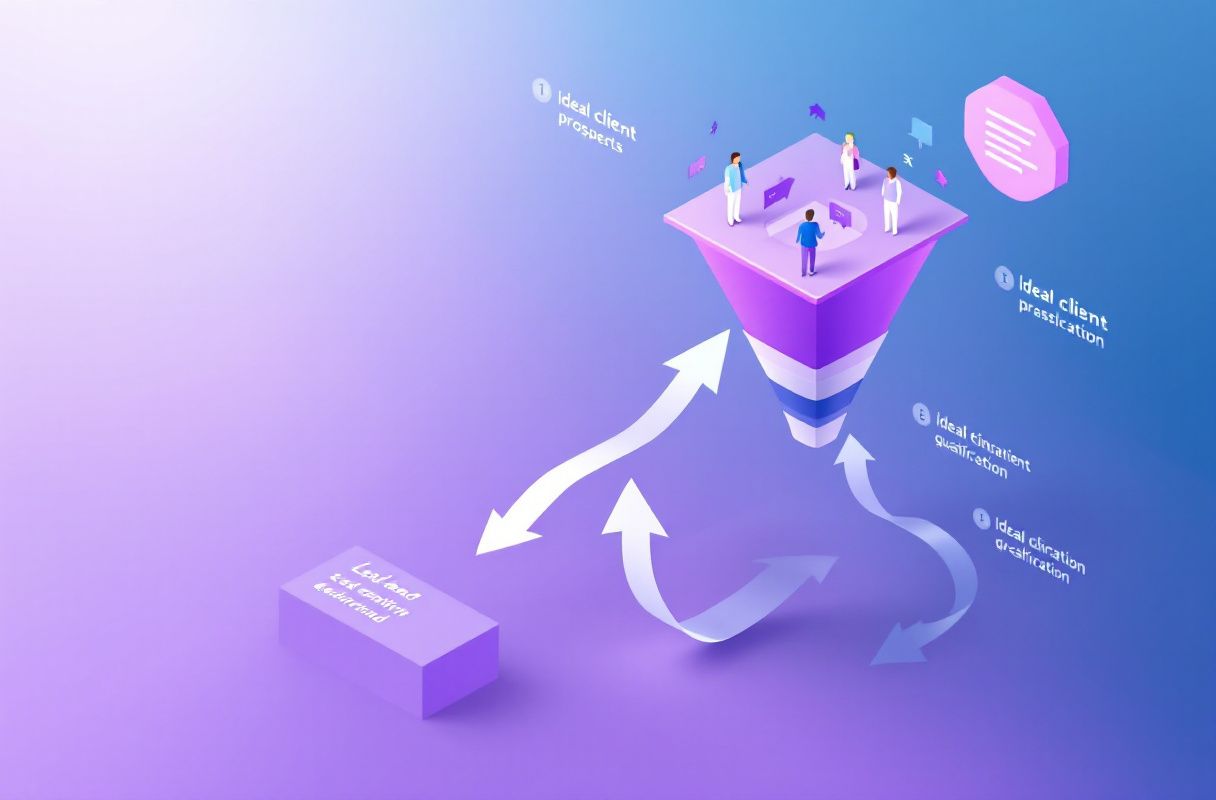
Problem 1: A Bigger, Cleaner Cold List Is Still a Cold List
Scalelist's job is to give you more verified ways to contact strangers. If those strangers were not waiting to hear from you, having their direct dial does not make them want to pick up. You end up with a beautifully maintained database of people who still have no reason to trust you.
This is the structural ceiling of scraping-plus-enrichment: it is a data tool, not a trust tool. The hard, expensive part of go-to-market — making the right people want to talk to you before you reach out — is exactly the part better contact data cannot touch. This is why LinkedIn cold outreach is dying: buyers ignore the cold motion no matter how verified the email or how recent the job-change alert.
Problem 2: Scraping Sales Navigator and Mass Outreach Carry Real Risk
Scalelist's workflow leans on pulling lists out of LinkedIn Sales Navigator and feeding them into cold campaigns. Both carry consequences the enrichment pitch glosses over. Aggressive scraping and automation activity can put your LinkedIn account at risk of restriction or ban, and high-volume cold email — especially against found addresses and direct dials — invites deliverability problems, spam flags, and domain-reputation damage.
Pair that with a credit model where every phone number burns 20 credits, and you are spending real budget — and risking your most important professional account — to build a pipeline whose downside is hard to quantify. Compare that with an approach that builds warm inbound prospecting without touching scraping or mass sends at all.
Problem 3: A More Accurate Cold Contact Still Converts at Cold Rates
Even with perfectly verified emails and direct dials, the economics of the underlying motion do not change:
| Metric | Scalelist-Enriched Cold Outreach | Inbound Authority |
|---|---|---|
| Close Rate | ~1.7% (outbound average) | 14.6% |
| What It Does | Builds bigger, cleaner cold lists | Creates new warm leads |
| Lead Quality | Cold, verified | Warm, pre-qualified |
| Net-New Demand | None | Compounding |
| Entry Cost | $30/mo + credit burn | from USD $10/month |
| Account Risk | Scraping + deliverability risk | Zero ban risk |
Accuracy improves the precision of the cold outreach you can run. It does not move those contacts into the 14.6% column — only a different source can do that.
ConnectSafely vs Scalelist
ConnectSafely.ai is not a faster, cleaner scraper — it is a different model entirely. Instead of helping you build a bigger list of strangers, you build the LinkedIn authority that makes qualified prospects reach out on their own.
| Feature | Scalelist | Other Scraping Tools | ConnectSafely.ai |
|---|---|---|---|
| Approach | Sales Nav scraping + enrichment | Scraping + cold outreach | Inbound authority building |
| Monthly Cost | $30-$140 + credit burn | $50-$500s | from USD $10/month total |
| What You Get | Bigger, verified cold lists | Bigger cold lists | Inbound leads who contact you |
| Net-New Demand | None | None | Yes (compounding) |
| Lead Temperature | Cold | Cold | Warm |
| Response Rate | Cold-outreach average | Cold-outreach average | 70%+ positive |
| Close Rate | ~1.7% (cold motion) | ~1.7% (cold motion) | 14.6% |
| LinkedIn Ban Risk | Scraping risk | High | Zero |
| Asset Built | A fresher cold list | A bigger cold list | Compounding authority |
ConnectSafely's positioning is the inverse of the scraping category: a low flat monthly cost with no credits to burn, zero ban risk because there is no Sales Navigator scraping or aggressive automation, and an inbound authority engine that gets stronger the longer you run it — instead of a tool that is only as good as the next list you scrape.
The Inbound Alternative: Attraction Over Extraction

What if, instead of extracting more contacts from Sales Navigator, the right prospects found you — already aware of your expertise and ready to talk?
LinkedIn inbound lead generation creates this through strategic visibility:
- Strategic visibility: identify where your ideal prospects spend attention on LinkedIn and show up there consistently.
- Value-adding engagement: appear in those conversations with thoughtful, expertise-demonstrating comments — not pitches or scraped-list cold DMs.
- Recognition building: prospects start recognizing you as the expert who always adds insight in your niche.
- Inbound conversion: when a prospect has a relevant need, they reach out. The conversation starts with trust, not a cold qualification call against a number you scraped.
The difference is structural. A Scalelist list is a snapshot you have to refresh, re-enrich, and re-burn credits on. LinkedIn authority is an asset that appreciates — every post, comment, and connection compounds the next one and widens the top of your funnel. You are not building a cleaner cold list; you are manufacturing more of the right kind of warm demand. And because there is no scraping or mass-send, there is no account on the line.
What Most Guides Get Wrong
Most Scalelist reviews and "best Sales Navigator scraper" roundups argue about the wrong things. Here is the nuance they miss:
1. "More verified contacts means more deals." Volume and accuracy improve how many cold contacts you can reach — they do not change how many strangers want to reply. A perfectly enriched list of 20,000 contacts still closes at outbound rates. Better data is a multiplier on a motion that already converts at 1.7%, not a path to a better number.
2. "Job-change alerts make outreach warm." They make it timely, not welcome. Knowing a prospect changed roles is a useful trigger, but the recipient still never asked to hear from you. As cold outreach keeps dying, buyers increasingly recognize and ignore even well-timed cold sends.
3. "More scraped contacts means more buyers." When you are a recognized authority, the right prospects reveal themselves through engagement with your content — no Sales Navigator scrape or credit spend required to manufacture a list. Inbound prospects raise their hand, and the scraping-tool landscape cannot replicate that.
4. "Scraping tools and inbound are competitors." They are not. Scalelist is a tool for a strategy (running cold outbound against fresh data). ConnectSafely is a different strategy (creating that pipeline warm). The real question is not which scraper to buy — it is whether your problem is finding contacts or getting people to want to talk to you.
How to Choose: Decision Framework by Role
There is no single universal winner. The right Scalelist alternative depends on who you are and what you are trying to build.
For founders and solopreneurs: skip Sales Navigator scraping entirely. ConnectSafely (from USD $10/month flat) is the highest-ROI move because your personal brand is your strongest asset — inbound authority generates warm leads without scraping, credit burn, or putting your LinkedIn account at risk. See the best LinkedIn automation tools guide.
For SDR and sales teams running outbound: Scalelist is a reasonable data layer if you are committed to a cold motion and need fresher, more accurate lists. But run ConnectSafely in parallel as the inbound engine — within 60-90 days most teams find inbound leads outperform enriched cold leads on close rate, because they enter the funnel warm. Learn why attraction beats chasing.
For agencies managing multiple clients: flat pricing wins. ConnectSafely's per-account model scales predictably, while credit-metered scraping multiplies cost and account exposure with every client list you build and refresh.
For freelancers and consultants: you do not need a bigger, cleaner contact list — you need 10-20 warm conversations a month. Inbound authority is the only model that produces those without a credit budget or a deliverability gamble.
Real Results: From Scraped Lists to Inbound
We looked at how teams behave after shifting from a scraping-led model to an inbound-led one. The pattern is consistent.
A B2B services team had adopted a Sales Navigator scraper to feed its outbound. The tool worked as advertised — reps pulled clean, verified lists with direct dials in minutes, and job-change alerts told them exactly when to reach out — but overall reply quality stayed stubbornly near outbound averages, because the recipients were still cold strangers who had never heard of the company. They were building better cold lists, not earning warmer conversations. Worse, the credit math kept climbing as they chased phone numbers at 20 credits each, and one rep had scraping activity flagged on LinkedIn — a risk the team had not priced in.
After 90 days of building LinkedIn authority instead:
- Inbound inquiries climbed to 10-20 per month, all initiated by the prospect
- Meeting quality jumped — discussions started at "I've been following your content," not "remind me why you're calling?"
- The total tool cost dropped to a single flat monthly fee, with no scraping, no credit burn, no deliverability risk, and no account on the line
The qualitative shift mattered more than the numbers: a verified cold call still opened with skepticism, while inbound meetings opened with trust. That trust advantage is the part no enrichment tool can ship.
Frequently Asked Questions
What is the best Scalelist alternative?
The best Scalelist alternative depends on your goal. If you want to scrape Sales Navigator and enrich lists faster, other scraping tools are direct swaps. But if your real problem is that cold outreach is not converting, the better alternative is ConnectSafely.ai — it replaces list-building-for-cold-outreach with inbound authority building that converts at 14.6% vs. the 1.7% outbound average, from USD $10/month flat with zero LinkedIn ban risk.
How much does Scalelist cost?
Scalelist starts at $30/mo for the Starter plan (1,000 finder credits, 2,000 verifier credits), $75/mo for Seeker (5,000 email credits, 10,000 verification credits), and $140/mo for Enterprise (20,000 finder credits, 40,000 verification credits, up to 8 users). It runs on a credit system where an email costs 1 credit and a mobile number costs 20 credits, with unused credits rolling over up to 2x your plan limit — so real cost depends heavily on whether you pull phone numbers.
Is Scalelist worth it in 2026?
For teams committed to outbound whose bottleneck is data quality and freshness, Scalelist is worth it — independent reviews like Woodpecker's note genuine strength in its enrichment and job-change monitoring. For founders, small teams, or anyone whose bottleneck is getting warm leads rather than building bigger cold lists, a scraping-and-enrichment tool improves the wrong motion, and inbound delivers far better ROI.
Does Scalelist risk my LinkedIn account?
Scalelist's workflow leans on scraping LinkedIn Sales Navigator and feeding contacts into cold outreach, and aggressive scraping or automation activity can put a LinkedIn account at risk of restriction. High-volume cold email against found addresses also carries deliverability and spam-flag risk. An inbound approach avoids both by building authority through normal, manual engagement — no scraping, no mass sends, zero ban risk.
Can I use Scalelist and ConnectSafely together?
Yes. If you already run Scalelist on an outbound team, keep it as your data-enrichment layer and run ConnectSafely as your inbound engine. Most teams find that as their LinkedIn authority grows, more of the leads entering the funnel are already warm — which lifts close rates and reduces how hard the cold motion (and the credit spend) has to work.
Ready to stop building bigger cold lists and start attracting warm buyers? Start your free ConnectSafely.ai trial and see why inbound beats scraping — or compare the full landscape in our best LinkedIn automation tools guide.
See How It Works
Watch how people get more LinkedIn leads with ConnectSafely




Related Articles