Best SmartReach Alternative 2026: LinkedIn Inbound
SmartReach scales multichannel cold sequences, but inbound converts at 14.6% vs 1.7% cold. See the LinkedIn alternative—from USD $10/month, zero ban risk.

Research methodology: Every pricing claim, feature, and limitation in this comparison was independently verified in August 2026 from vendor pricing pages, Trustpilot, G2, AppSumo, and Product Hunt. Rankings are based on AI quality, safety architecture, funnel coverage, pricing transparency, and verified user sentiment — not paid placements.
Updated August 2026 — Researched against SmartReach's vendor pricing page, third-party review aggregators, G2/Capterra, and HubSpot's marketing statistics. Reviewed by the ConnectSafely.ai editorial team.
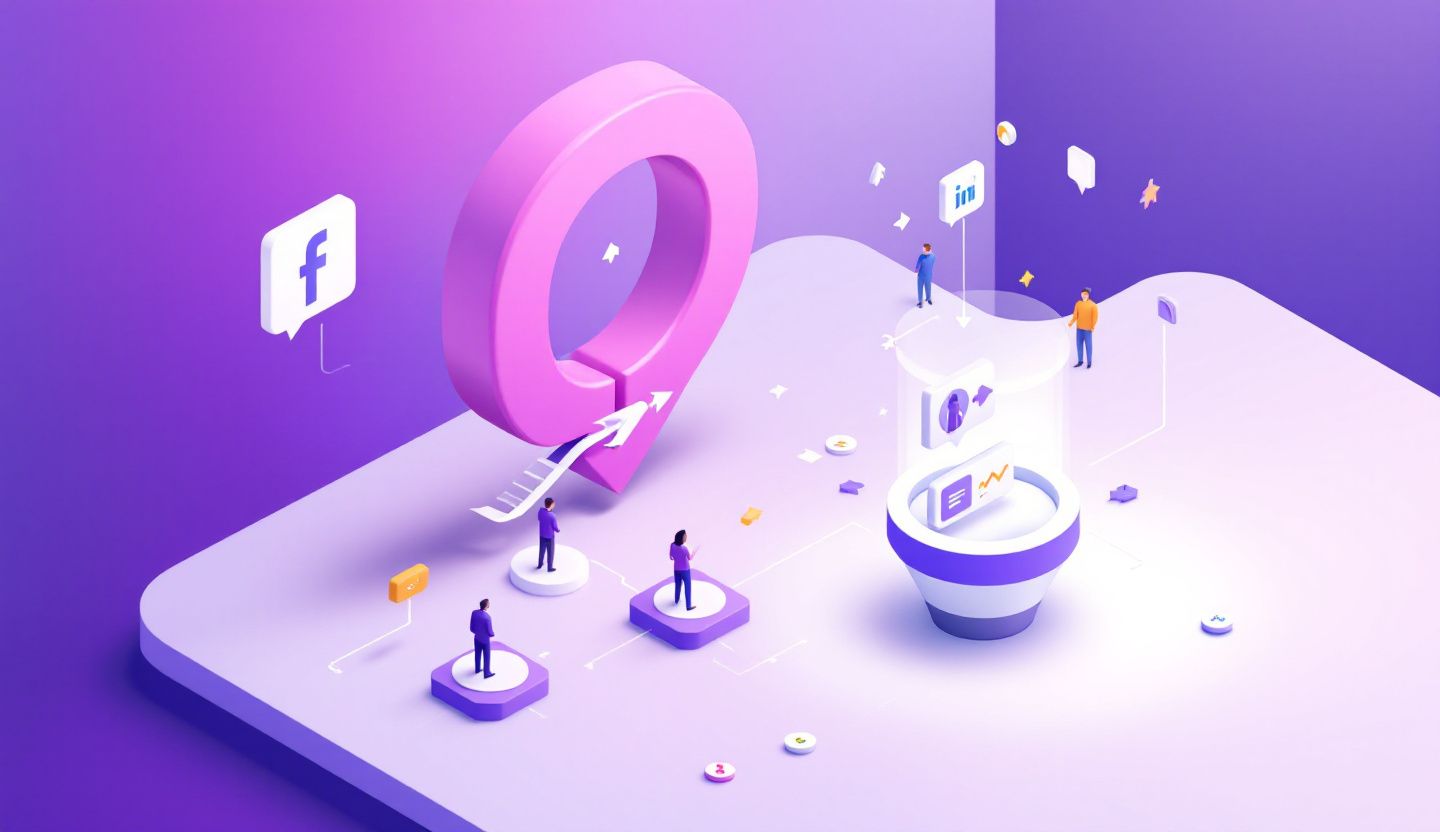
The best SmartReach alternative in 2026 depends on the job you actually need done. If your goal is to run high-volume, multichannel cold sequences—email, calls, LinkedIn steps, WhatsApp/SMS—with strong deliverability and a shared team inbox, SmartReach is a legitimate, well-built sequencer and you may not need to replace it at all. But if your real problem is that not enough qualified people are reaching out to you, a better sequencer will not fix that—because sequencing makes outreach faster, it does not make a stranger want to hear from you. That distinction matters, because HubSpot's marketing data shows inbound leads close at roughly 14.6% versus about 1.7% for cold outbound. A flawlessly automated cold sequence still converts at the cold rate. This is where a channel like LinkedIn inbound authority changes the math—it fills your pipeline with warm buyers in the first place.
Want to Generate Consistent Inbound Leads from LinkedIn?
Get our complete LinkedIn Lead Generation Playbook used by B2B professionals to attract decision-makers without cold outreach.
No spam. Just proven strategies for B2B lead generation.
Key Takeaways
- SmartReach is a cold-outreach sequencer, not a demand engine. It scales and automates multichannel outbound; it does not create new inbound interest.
- Reported 2026 pricing starts low but scales by prospect volume. Email Outreach plans are cited from ~$24–$29/month (Basic) up to ~$499/month (Scale); multichannel Sales Engagement plans run ~$39 (Basic) to ~$599/month (Scale), with agency plans and $19–$29/month add-ons. Billing is per-prospect, not per-seat. Always confirm at smartreach.io/pricing.
- The channel sets the conversion ceiling. Per HubSpot, inbound closes at ~14.6% vs ~1.7% cold—so where a lead comes from matters more than how efficiently you sequence it.
- They can be complementary, not either/or. SmartReach fuels the ~1.7% cold-outbound motion; inbound raises the ceiling. Many teams sequence with SmartReach and attract with ConnectSafely. This is a strategy contrast, not a takedown.
- Ban risk is nuanced. SmartReach's email and deliverability features carry low LinkedIn-ban risk. Its LinkedIn automation steps (auto-connect, auto-message), however, run against LinkedIn's User Agreement—so account risk applies to those specific steps, not the email side.
- ConnectSafely.ai starts from USD $10/month with zero LinkedIn ban risk, focused on attracting inbound leads rather than fueling cold outreach.
What Is SmartReach?
SmartReach (smartreach.io) is a multichannel sales engagement and cold email sequencing platform. Rather than finding contacts, it focuses on reaching them at scale across channels while protecting deliverability. Per smartreach.io, its core capabilities include:
- Multichannel sequences — orchestrate email, calls, LinkedIn steps, and WhatsApp/SMS in a single automated cadence per prospect.
- Email deliverability suite — inbox rotation, email warmup, spam testing, and free email verification to keep messages landing in the primary inbox.
- LinkedIn automation steps — add auto-connect and auto-message actions to a sequence (the steps that carry account risk—more on that below).
- Shared team inbox — a unified inbox so reps and managers can manage replies collaboratively without stepping on each other.
- Reporting & analytics — campaign, A/B, and prospect-level metrics to optimize open, reply, and meeting rates.
- CRM and stack integrations — sync with HubSpot, Pipedrive, Salesforce, Zoho, and others so sequenced activity flows into your systems.
In short, SmartReach is very good at the "reach them, at volume, without burning your domain" half of go-to-market. What it does not do—by design—is manufacture demand. It makes contacting a stranger efficient; it does not make that stranger want to be contacted.
SmartReach Pricing in 2026
SmartReach sells separate packages for cold email, multichannel sales engagement, and agency management, and it bills per prospect contacted rather than per seat. Published figures vary across sources, so treat the table below as directional and confirm current numbers on the vendor page before you buy. The tiers below reflect commonly cited 2026 figures from smartreach.io and third-party aggregators like Woodpecker and Capterra.
| Plan | Reported price (2026) | Notes |
|---|---|---|
| Email Outreach — Basic | ~$24–$29 / month | ~1,000 active prospects, ~10,000 emails/mo |
| Email Outreach — Plus | ~$89 / month | ~50,000 prospects, unlimited emails |
| Email Outreach — Pro / Scale | ~$199 / ~$499 / month | Higher prospect volumes |
| Sales Engagement — Basic | ~$39 / month | Adds 1 calling seat + 1 LinkedIn seat |
| Sales Engagement — Plus | ~$99 / month | 3 calling + 3 LinkedIn seats, ~50,000 prospects |
| Sales Engagement — Pro / Scale | ~$249 / ~$599 / month | Multichannel at higher volume |
| Agency plans | ~$199–$599 / month | Email and Sales tiers for client management |
| Add-ons | ~$19–$29 / month | Extra prospects, storage, CRM, calling seats |
Because the entry figures in particular differ between review sites and the vendor's own page—and because the per-prospect model means your real cost depends on volume—do not budget off this table alone. Verify at smartreach.io/pricing; annual contracts are reported to be meaningfully cheaper. The usage-based model is genuinely appealing: it ties spend to prospects contacted rather than empty seats. Just remember that prospects contacted and warm demand are two different things.
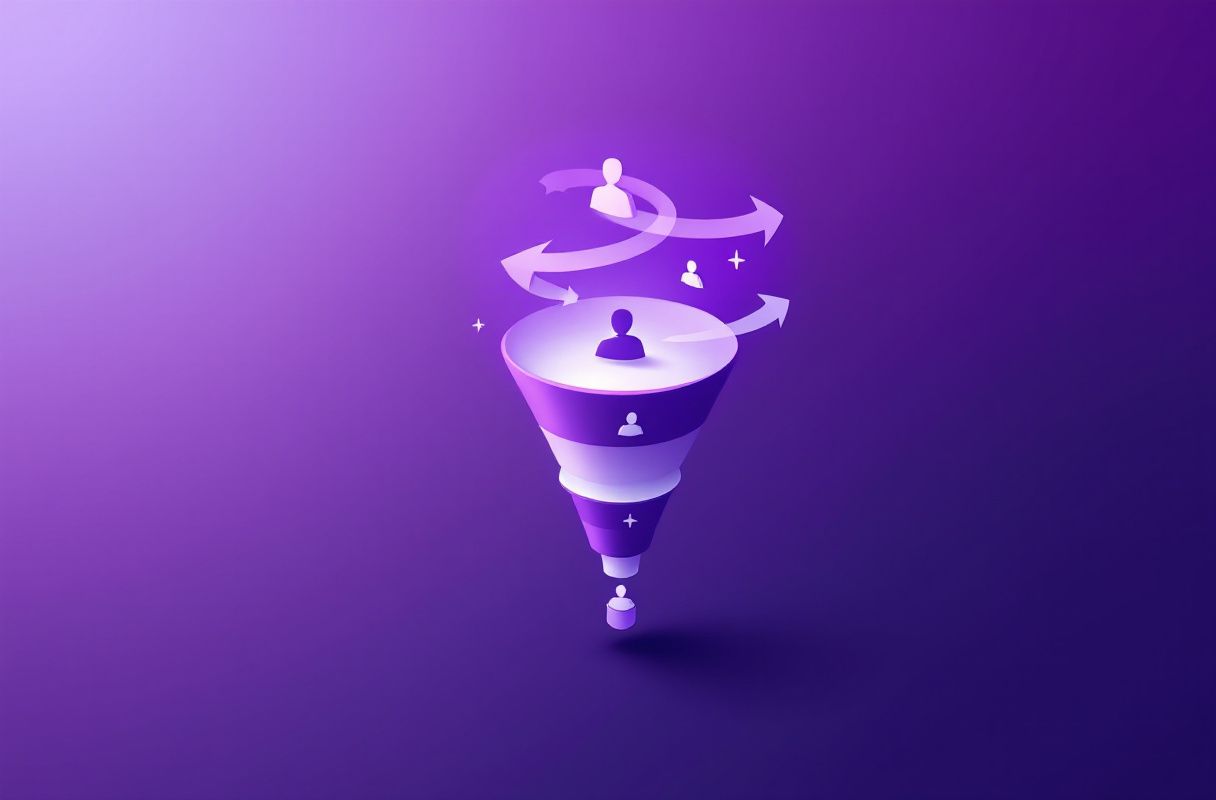
Here is the honest core of this comparison: reaching someone efficiently is not the same as being welcome. SmartReach is excellent at the first job. It will sequence a prospect across email, phone, LinkedIn, and WhatsApp, rotate inboxes to protect deliverability, and keep every touch tidy in a shared inbox. But a perfectly sequenced series of touches to a person who has never heard of you—and did not ask to hear from you—still opens, replies, and converts like cold outreach.
The uncomfortable truth is that the channel sets the ceiling, not the sequencing. You can automate, warm, rotate, and A/B test a cold cadence flawlessly, and it still converts at roughly the cold-outbound rate. The only way to raise the ceiling is to change where the leads come from. When a prospect discovers you through your content, comments on your posts, and reaches out first, they arrive warm, pre-sold, and trusting—a fundamentally different lead than one loaded into a sequence.
That is the gap ConnectSafely is built to close. Instead of helping you contact more strangers faster, it helps you build an inbound pipeline from LinkedIn authority—so the people flowing into any conversation arrive warmer from the very first touch.
SmartReach Features vs the Trade-offs
SmartReach is a legitimate, well-built sequencer. It is worth being clear-eyed about both what it does well and where its limits lie as a growth strategy.
| Dimension | Strength | Trade-off |
|---|---|---|
| Deliverability | Inbox rotation, warmup, spam test—genuinely strong | Protects the send; does not warm the recipient |
| Multichannel | True email + call + LinkedIn + WhatsApp/SMS cadences | More channels to interrupt a cold prospect on |
| Pricing model | Usage-based, per prospect—no dead-seat cost | Volume-based spend climbs as you scale outreach |
| LinkedIn steps | Convenient automation inside a sequence | Auto-connect/message runs against LinkedIn's User Agreement—account risk |
| Reviews | ~4.6/5 on G2 (~56), ~4.7/5 on Capterra (~27) | Small-business-skewed sample; directional |
| Job it does | Scales and automates cold outreach | Does not generate inbound demand |
The ratings—roughly 4.6/5 on G2 and 4.7/5 on Capterra—are a reasonable signal, though the review samples are modest and skew toward small B2B teams, so read them as directional rather than a robust benchmark. The bigger point is not whether SmartReach is a good sequencer (it is). The point is that sequencing sits at the cold end of the funnel, and the funnel stage you feed determines the conversion rate you get.
What Most Guides Get Wrong
Most "best SmartReach alternative" articles compare sequencer to sequencer—deliverability feature to deliverability feature, per-prospect price to per-prospect price. That misses the point. Here are five things they routinely get wrong:
- They treat a sequencer as a lead source. Sequencing reaches and follows up with contacts; it does not generate them. Swapping one sequencer for another does nothing about an empty inbound pipeline.
- They ignore the conversion ceiling. They compare inbox rotation and channel count but never mention that cold leads convert at ~1.7% no matter how good the cadence, per HubSpot.
- They frame it as either/or. In reality, a cold-outreach engine and a demand engine are complementary. The smart move is often "add inbound," not "rip and replace your outbound stack."
- They gloss over the LinkedIn-automation nuance. SmartReach's email side is low-risk, but its auto-connect/auto-message steps run against LinkedIn's User Agreement—a real account-safety consideration most guides skip.
- They skip the funnel-stage distinction. Sequencing fuels the cold-outbound motion that converts at ~1.7%. Inbound flips the script: the buyer initiates. We unpack the difference in our breakdown of inbound vs outbound sales for LinkedIn lead generation.
SmartReach vs ConnectSafely: A Different Strategy
This is not a "which sequencer wins" table—it is a strategy contrast across funnel stages.
| Dimension | SmartReach | Other sequencers (Instantly, lemlist) | ConnectSafely.ai |
|---|---|---|---|
| Primary job | Multichannel cold sequencing | Cold email sequencing at scale | Generate inbound demand |
| Creates demand? | No | No | Yes |
| Funnel stage fed | Cold outbound (~1.7%) | Cold outbound (~1.7%) | Warm inbound (~14.6%) |
| Trust at first touch | Low—prospect was contacted, not attracted | Low—prospect was contacted, not attracted | High—buyer reaches out first |
| LinkedIn ban risk | Low on email; automation steps carry risk | Low on email; LinkedIn steps vary | Zero—no automation on your account |
| Entry price | ~$24–$39/mo (reported) | Varies (often higher at scale) | From USD $10/month |
| Best for | High-volume outbound teams | Cold email volume | Attracting warm inbound leads |
The takeaway is not that SmartReach is worse—it is that it plays a different position. SmartReach reaches and sequences who you might contact; ConnectSafely changes who contacts you. If you want to see how the demand-generation layer fits alongside the outbound tools you already run, our best LinkedIn automation tools guide maps the full stack.
Where SmartReach Genuinely Wins
Credit where it is due. If your motion is genuinely outbound-led, SmartReach is one of the better tools for it. Its deliverability engineering is real—inbox rotation, warmup, and spam testing meaningfully improve inbox placement, which is the difference between a cold campaign that lands and one that vanishes. Its multichannel orchestration is true multichannel, not just email with a LinkedIn checkbox. And for high-volume outbound teams and agencies managing many prospects, the per-prospect billing and shared inbox are a sensible operational fit. None of that is in dispute. The question this article asks is narrower: even executed perfectly, what conversion ceiling does that motion have—and is there a higher one available?
Which Should You Choose? A Role-Based Framework
Founders and solo operators. You cannot afford leads that convert at 1.7%. Prioritize the demand engine first, then add sequencing once you have an outbound motion worth scaling. Start with the 5 pillars of a LinkedIn inbound strategy before you commit to prospect volume.
Sales and SDR teams. You likely already run a sequencer. The bottleneck is usually top-of-funnel quality, not cadence mechanics. Layer inbound authority on top so reps spend time on warm, self-qualified conversations instead of cold multichannel cadences—see B2B social selling that turns engagement into revenue.
Agencies. You manage multiple client pipelines and need repeatable results. SmartReach keeps outbound running at volume, but your differentiator is filling pipelines predictably. Build the inbound machine described in building an inbound lead pipeline from LinkedIn authority.
Freelancers and consultants. Your reputation is your funnel. SmartReach is a fine way to sequence a specific list—but authority-driven inbound is what makes the right clients come to you. Compare the options in our best LinkedIn automation tools guide.
Real Results: From Efficient Sequencing to a Full Pipeline (Illustrative)
The following is an illustrative example.
A four-person B2B sales team had done everything "right" on the outbound side. Their sequencing was immaculate—rotated inboxes, warmed domains, multichannel cadences hitting each prospect across email, phone, and LinkedIn. And yet, month after month, the pipeline stayed thin. The touches were efficient, but the prospects were cold, and they converted like cold prospects do—reply rates in the low single digits no matter how tight the cadence.
Days 1–30. They stopped trying to squeeze more meetings out of the same cold sequences and shifted focus to inbound. Using ConnectSafely, two reps began publishing a consistent point of view on LinkedIn, engaging authentically in their niche, and letting profile visitors self-identify. Early signal: a handful of inbound profile views turned into three genuine conversations—no cold sequences sent.
Days 31–60. Content compounded. Comments turned into connection requests initiated by prospects. Instead of chasing across four channels, the reps were responding. They still ran SmartReach—now to follow up with warm hand-raisers, rather than to interrupt strangers.
Days 61–90. The pipeline filled with inbound conversations that converted at multiples of their old cold rate, consistent with the ~14.6% vs ~1.7% gap HubSpot reports. Total tooling cost for the demand engine: USD $10/month. The sequencer stayed—now nurturing warm buyers instead of cold lists. The lesson was not "drop your sequencer." It was "fix the channel feeding it."
Why LinkedIn Inbound Beats Multichannel Cold Sequencing
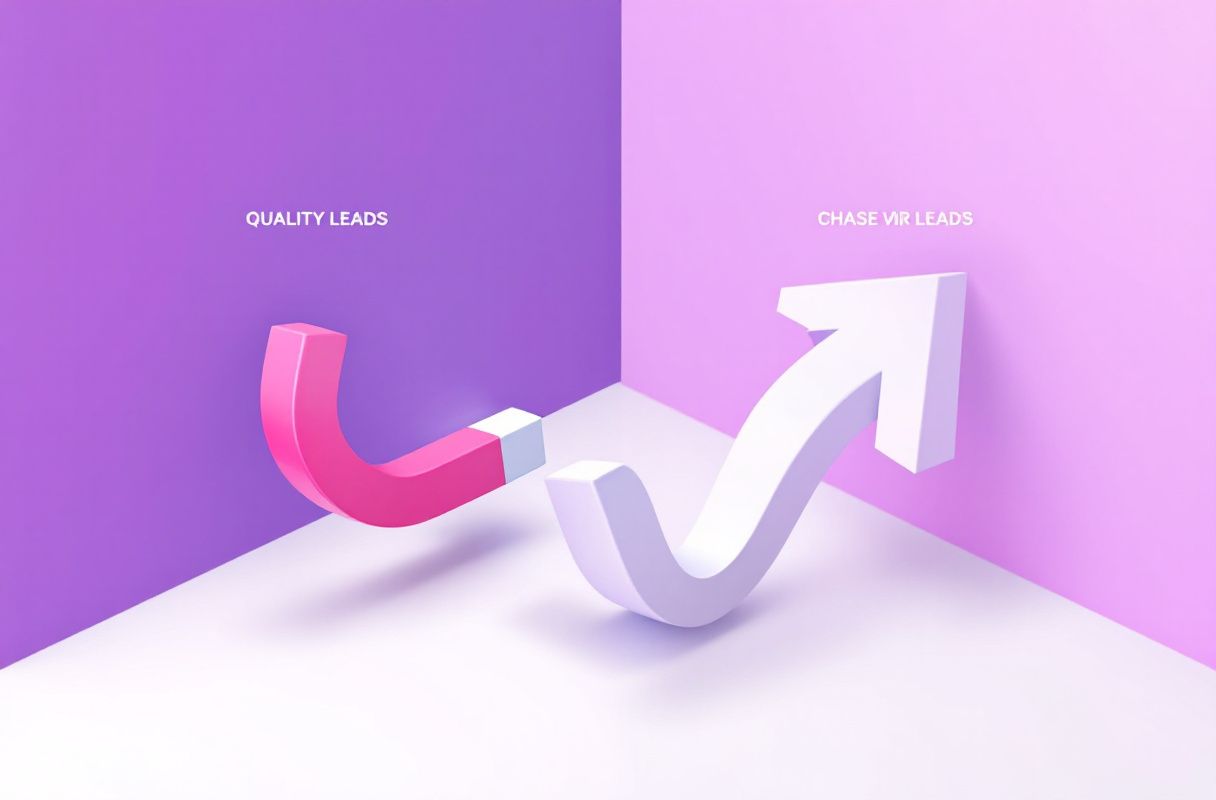
Sequencers like SmartReach are optimized for a single motion: outbound. You load a prospect, sequence them across channels, and reach out cold. That motion works, but it is capped by the ~1.7% cold-conversion rate HubSpot documents—no amount of channel coverage or deliverability tuning moves that ceiling, because the ceiling is set by the fact that the buyer did not ask to be contacted.
LinkedIn inbound inverts the sequence. Instead of you reaching the buyer, the buyer finds you—through content that demonstrates expertise, engagement that builds familiarity, and authority that makes reaching out feel natural. By the time they message you, they are warm, self-qualified, and already predisposed to trust you. That is why inbound converts at roughly 14.6%. And because it works through your own profile activity rather than automated actions, it carries none of the account risk that LinkedIn-automation steps do.
The two motions are not enemies. A sequencer can nurture the warm leads inbound produces. But if you only ever fuel cold outreach, you are optimizing the low-ceiling motion. To understand the full contrast, read inbound vs outbound sales for LinkedIn lead generation, and see how high-intent buyers reveal themselves in our guide to LinkedIn engagement signals.
Frequently Asked Questions
What is the best SmartReach alternative in 2026?
It depends on the job. If you need a different sequencer, tools like Instantly, lemlist, or Reply are common alternatives. But if your real problem is a lack of inbound leads, the better move is to add a demand engine like ConnectSafely.ai rather than swap sequencers—because per HubSpot, inbound leads convert at ~14.6% versus ~1.7% cold. Sequencing reaches leads; it does not create demand.
How much does SmartReach cost in 2026?
Published figures vary, so confirm at smartreach.io/pricing. Email Outreach plans are reported from ~$24–$29/month (Basic) up to ~$499/month (Scale), while multichannel Sales Engagement plans run ~$39 (Basic) to ~$599/month (Scale), with agency tiers and $19–$29/month add-ons. Billing is per prospect contacted, not per seat, and annual plans are cheaper. Because sources disagree on the entry figures and your real cost depends on volume, verify on the vendor page before budgeting.
Does a sequencer like SmartReach generate leads on its own?
No. SmartReach reaches and follows up with contacts you load into it across email, phone, LinkedIn, and WhatsApp; it does not generate new inbound demand. To fill the pipeline with people who want to talk to you, you need a demand channel such as LinkedIn inbound authority. Sequencing determines how efficiently you contact someone; the channel determines whether they are warm when you do.
Is SmartReach safe for my LinkedIn account?
It depends which features you use. SmartReach's email and deliverability tools carry low LinkedIn-ban risk—they do not touch your LinkedIn account. Its LinkedIn automation steps (auto-connect, auto-message), however, run against LinkedIn's User Agreement, which restricts automated activity—so account risk applies to those specific steps. Inbound authority avoids the issue entirely, because it works through your own genuine profile activity rather than automation.
Can I use SmartReach and a LinkedIn inbound tool together?
Yes—and many teams should. They are complementary. ConnectSafely generates warm inbound leads, and SmartReach can sequence and nurture those hand-raisers once they arrive. SmartReach is a legitimate sequencer (roughly 4.6/5 on G2 and 4.7/5 on Capterra); pairing it with an inbound engine simply raises the quality of what flows in. Learn how the pieces fit in our best LinkedIn automation tools guide.
Ready to Fill Your Pipeline, Not Just Sequence It?
SmartReach is a solid, well-built sequencer for reaching prospects at volume across channels with strong deliverability. But if the warm leads are not coming in, a better sequence cannot fix that—you need a demand engine. ConnectSafely helps you attract warm inbound leads through LinkedIn authority, so whatever outbound stack you run is finally pointed at buyers who convert.
See ConnectSafely.ai pricing — from USD $10/month, zero ban risk. Or explore the best LinkedIn automation tools guide to compare your options.
See How It Works
Watch how people get more LinkedIn leads with ConnectSafely




Related Articles