Drip Campaign Software for LinkedIn + Email: Buyer's Guide
Compare the top drip campaign software for LinkedIn, email, and hybrid outreach in 2026. Dripify, HeyReach, Lemlist, LGM, ConnectSafely compared.


Pick the wrong drip campaign software and you waste $5,000-$15,000 per year on a tool nobody uses. Pick the right one and you compress 6 weeks of outreach work into automated sequences that run while you sleep. The catch: the drip campaign software category has fractured into three distinct camps -- LinkedIn-only, email-only, and hybrid -- and each comes with very different trade-offs in 2026.
Drip campaign software automates multi-touch outreach across email, LinkedIn, or both, firing pre-built sequences based on prospect behavior, time delays, and conditional logic. This buyer's guide breaks down what drip campaigns actually are, how LinkedIn drip differs from email drip, the three software categories you need to choose between, and a side-by-side comparison of the leading tools -- Dripify, HeyReach, Lemlist, La Growth Machine, and ConnectSafely.ai. We will also cover the seven buyer criteria that separate "good demo" from "good fit."
Want to Generate Consistent Inbound Leads from LinkedIn?
Get our complete LinkedIn Lead Generation Playbook used by B2B professionals to attract decision-makers without cold outreach.
No spam. Just proven strategies for B2B lead generation.
Key Takeaways
- Drip campaign software falls into three categories: pure LinkedIn (Dripify, HeyReach), pure email (Instantly, Smartlead), and hybrid LinkedIn + email (Lemlist, La Growth Machine).
- LinkedIn drip campaigns face hard volume limits (~100 connection requests/week) and account ban risk; email drip scales higher but faces stricter spam filters in 2026.
- Hybrid tools deliver the best multichannel reply rates (15-25%) but require the most setup work and the highest monthly spend.
- Top buyer criteria: native vs browser-extension LinkedIn automation, deliverability infrastructure, CRM integration depth, inbox rotation, and team collaboration features.
- Even the best drip campaign software caps cold outreach at 1-2% positive reply rates -- inbound authority converts 8.5X better according to HubSpot data.
- ConnectSafely.ai offers a different category entirely: drip-style automation for inbound authority building from USD $10/month, with zero ban risk.
What Is a Drip Campaign?
A drip campaign is an automated outreach sequence that sends pre-written messages to prospects at scheduled intervals, often triggered by prospect behavior or list segmentation. Instead of manually sending each touchpoint, the software "drips" messages over time -- typically 5-15 touches across 14-45 days.
The term comes from drip irrigation: small, steady amounts of water over time rather than one flood. The same principle applies to outreach. A single cold email rarely converts, but five well-timed messages create cumulative familiarity that drives reply rates.
Dripify's guide on drip campaigns defines them as "automated outreach sequences that send personalized messages to prospects at scheduled intervals, mimicking the cadence of a human sales rep but at scale." That definition has held since 2019, but the tooling around it has evolved dramatically.
In 2026, drip campaigns are no longer just email-based. The modern drip campaign spans LinkedIn connection requests, LinkedIn DMs, email touches, profile views, and even comment engagement -- all orchestrated from a single dashboard.
LinkedIn Drip vs Email Drip vs Hybrid
The biggest decision in selecting drip campaign software is which channel mix you need. Each has different mechanics, different ceilings, and different risks.
LinkedIn Drip Campaigns
LinkedIn drip campaigns automate sequences within the LinkedIn platform -- connection requests, follow-up messages after acceptance, profile views, post engagement, and InMail. The advantage is built-in social proof: every message arrives with your profile, headline, mutual connections, and content history visible to the prospect.
The constraint is volume. LinkedIn caps connection requests at roughly 100 per week per account, and aggressive automation triggers account restrictions. LinkedIn drip reply rates average 5-20%, the highest of any single channel, but the scaling ceiling is hard.
Best for: High-value B2B outreach where account quality matters more than volume.
Email Drip Campaigns
Email drip campaigns automate sequences via cold email infrastructure -- typically multiple sending domains, inbox rotation, and warm-up routines to maintain deliverability. The advantage is scale: properly configured email drip can send 500-2,000+ messages per day per team.
The constraint is deliverability. AI spam filters in 2026 are aggressively flagging templated sequences, and a single bad day can sink domain reputation for weeks. Reply rates have fallen from 5-10% in 2020 to 1-4% in 2026 for generic sequences.
Best for: Top-of-funnel volume motions where reply rate is less important than total replies generated.
Hybrid LinkedIn + Email Drip
Hybrid drip campaigns coordinate sequences across both channels in a single workflow. The platform handles channel switching, message variation, and trigger logic automatically. A typical hybrid sequence might be: email Day 1, LinkedIn connection Day 3, LinkedIn DM Day 5, email follow-up Day 8, breakup email Day 12.
Hybrid is the highest-converting category, with combined reply rates of 15-25%. But it is also the most expensive and operationally complex.
Best for: Mid-market and enterprise sales teams with dedicated SDR/cadence ops headcount.
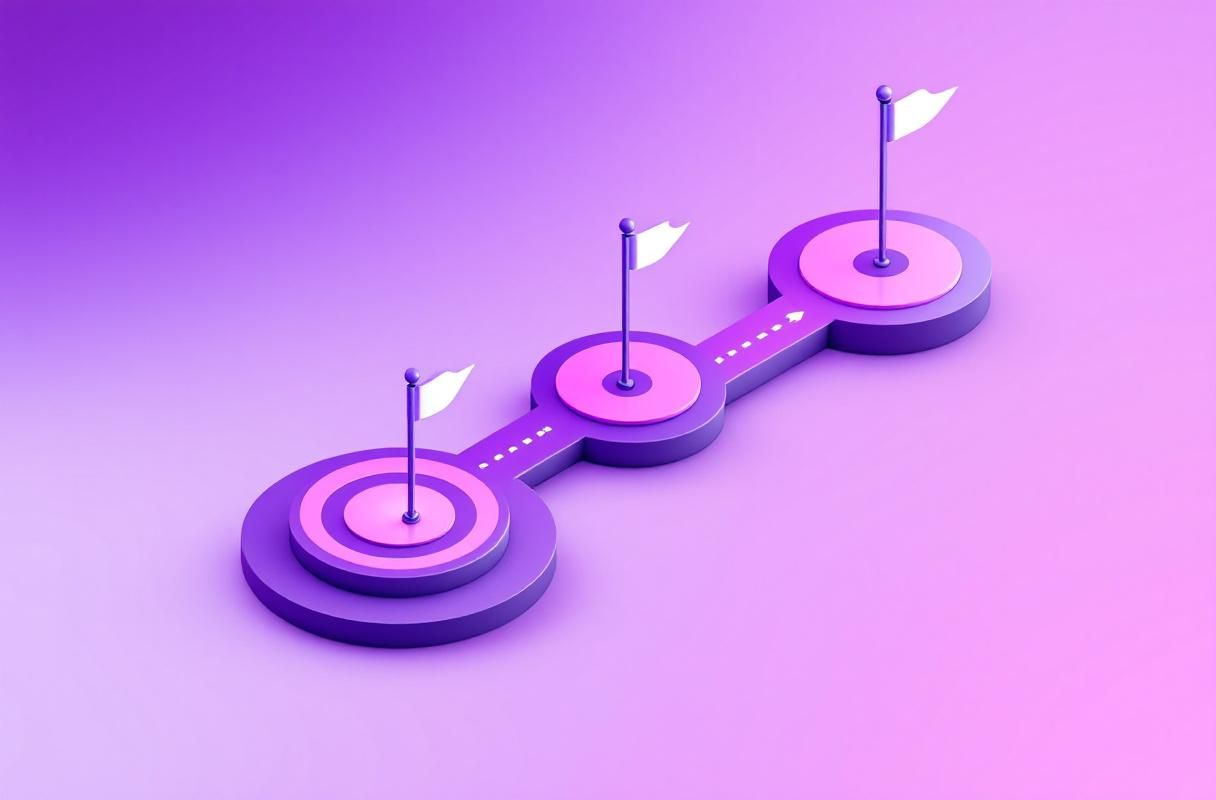
The Three Drip Software Categories
Category 1: Pure LinkedIn Drip Tools
These tools focus exclusively on LinkedIn automation -- connection requests, messages, profile views, and post engagement. They typically run as either browser extensions (using your local LinkedIn session) or cloud-based services (using a dedicated LinkedIn account on a residential proxy).
Strengths: Deep LinkedIn-specific features, mature anti-detection systems, focus on relationship building.
Weaknesses: No email coverage means you need a second tool for multichannel campaigns. Account ban risk is non-trivial.
Examples: Dripify, HeyReach, Expandi, MeetAlfred.
Category 2: Pure Email Drip Tools
These tools focus on cold email infrastructure -- deliverability, inbox rotation, warm-up, sequence automation, and reply detection. They do not touch LinkedIn natively.
Strengths: Deliverability infrastructure built for scale, AI-driven inbox rotation, mature spam filter evasion.
Weaknesses: LinkedIn coverage requires a separate tool, integration complexity, no social proof in messaging.
Examples: Instantly, Smartlead, Lemwarm (Lemlist's warm-up companion), Mailshake.
Category 3: Hybrid LinkedIn + Email Drip Tools
These tools attempt to do both channels in a single platform. They typically rely on browser extensions for LinkedIn (since cloud-based LinkedIn is harder to safely automate) and built-in email infrastructure.
Strengths: Single dashboard, coordinated sequences across channels, unified reporting.
Weaknesses: LinkedIn automation is often less sophisticated than pure LinkedIn tools, email deliverability is often less mature than pure email tools, higher price point.
Examples: Lemlist, La Growth Machine (LGM), Apollo.io.
Top Drip Campaign Tools Compared (2026)
| Tool | Category | Starting Price | Best For | Key Limitation | ||
|---|---|---|---|---|---|---|
| Dripify | Pure LinkedIn | $59/mo | Cloud-based, dedicated account | No | LinkedIn-first SMB teams | No email channel |
| HeyReach | Pure LinkedIn | $79/mo | Agency-grade multi-account | Limited | Agencies running multiple LinkedIn accounts | Email is afterthought |
| Lemlist | Hybrid | $59/mo | Browser extension | Native | Email-first hybrid sequences | LinkedIn via extension limits scale |
| La Growth Machine | Hybrid | $80/mo | Browser extension + cloud | Native | Multichannel sales teams | Complex setup |
| Instantly | Pure Email | $37/mo | No | Native + inbox rotation | High-volume email-only motions | No LinkedIn coverage |
| Smartlead | Pure Email | $39/mo | No | Native + AI deliverability | Email deliverability at scale | No LinkedIn coverage |
| ConnectSafely.ai | Inbound LinkedIn | $10/mo | Cloud-based, ban-safe | No outbound | LinkedIn inbound authority building | Different category -- inbound, not cold drip |
Dripify
Dripify pioneered cloud-based LinkedIn drip campaigns and remains a go-to for SMB teams that want LinkedIn automation without managing browser extensions. The platform runs on dedicated cloud servers, mimics human behavior with randomized timing, and includes a built-in sequence builder with conditional logic.
The trade-off is that Dripify is LinkedIn-only. Teams needing email coverage must integrate a separate tool, usually via Zapier or native CRM sync.
HeyReach
HeyReach is built for agencies and high-volume LinkedIn teams managing multiple LinkedIn accounts. The platform's standout feature is "unified inbox" across many accounts, plus team collaboration features that pure SMB tools lack.
HeyReach has expanded into limited email features, but it remains primarily a LinkedIn tool. Pricing scales aggressively with seat count.
Lemlist
Lemlist made its name on email drip with personalization-at-scale features (image personalization, video personalization, dynamic landing pages). The platform added LinkedIn steps via browser extension and now positions as a hybrid tool.
The LinkedIn implementation is functional but less sophisticated than pure LinkedIn tools. For email-first teams that occasionally want LinkedIn steps, Lemlist is a strong fit.
La Growth Machine (LGM)
LGM is the most ambitious hybrid drip tool, with native multichannel sequence design that treats LinkedIn, email, and Twitter as equal-class channels. The platform shines when sequences require complex branching logic across channels.
The trade-off is setup complexity. LGM rewards teams that invest in cadence design and punishes teams that expect plug-and-play simplicity.
Instantly and Smartlead
Both tools are pure email drip platforms competing on deliverability. They offer aggressive inbox rotation, AI-driven send time optimization, and warm-up infrastructure that pure cadence tools lack. Neither has LinkedIn capabilities.
For teams running high-volume cold email at scale with no LinkedIn motion, either is a strong choice. For teams needing LinkedIn, both require a second tool.
ConnectSafely.ai
ConnectSafely.ai is intentionally in a different category. Instead of cold outbound drip campaigns, the platform automates inbound authority building on LinkedIn -- consistent content scheduling, strategic engagement with ICP posts, and profile optimization that turns viewers into inbound leads.
The model is fundamentally different: instead of dripping messages to strangers, you build the LinkedIn presence that makes strangers reach out to you. No cold connection requests, no account ban risk, no domain warm-up.
The Seven Buyer Criteria That Matter Most
When evaluating drip campaign software, most teams over-index on price and feature checklists. The criteria below predict actual success far better.
1. Native vs browser-extension LinkedIn automation. Cloud-based LinkedIn automation is generally safer but more expensive. Browser-extension automation is cheaper but ties usage to a logged-in machine. Match to your team's setup.
2. Deliverability infrastructure depth. For email drip, ask about inbox rotation, warm-up automation, domain monitoring, and bounce handling. Tools without mature deliverability infrastructure burn domains.
3. CRM integration depth. Two-way sync with your CRM (Salesforce, HubSpot, Pipedrive) matters more than reporting dashboards. Test the integration before signing -- many "native integrations" are surface-deep.
4. Inbox rotation and sending domain support. For email drip at scale, you need 3-5+ sending domains rotating per cadence. Tools that only support a single domain cap your scale.
5. Pause and suppression logic. Sophisticated pause rules protect deliverability. Tools without granular auto-pause triggers (OOO, bounce spike, meeting booked) create operational risk.
6. Team collaboration features. For teams of 3+, shared templates, unified inbox, and role-based permissions matter. Solo-rep tools break down quickly at team scale.
7. Reporting at the cadence and prospect level. Reply rate by cadence is useful. Reply rate by cohort, by sender, by time of day, by sequence step is what actually drives optimization.
Common Drip Campaign Software Mistakes
Buying the most expensive tool and underusing it. A $300/month hybrid tool used at 20% capacity delivers worse ROI than a $59/month focused tool used at 90% capacity. Match tool sophistication to team maturity.
Ignoring deliverability infrastructure. Teams routinely buy email drip tools without dedicated sending domains, SPF/DKIM setup, or warm-up periods. Burned domains take 3-4 weeks to rebuild and are far more expensive than the original tool cost.
Underestimating LinkedIn ban risk. Cloud-based LinkedIn drip tools reduce but do not eliminate ban risk. Aggressive automation, suspicious geolocation, or volume spikes still trigger restrictions. Always use a dedicated LinkedIn account for automation, not your primary profile.
No clear cadence ownership. Drip campaign software is only as good as the cadences running on it. Teams that buy tools without dedicated cadence ownership (an SDR manager, a RevOps lead) see tool usage decay within 60 days.
Skipping the comparison test. Before committing, run a 2-week pilot on at least two tools with identical lists and cadences. The "obviously better" tool on paper is often the worse fit in practice.
What Most Drip Software Reviews Get Wrong
Drip campaign software reviews almost universally optimize for the wrong question: "which tool sends cold messages best?" The better question is: "is cold drip the right motion for my business at all?"
The honest math, after working with hundreds of B2B teams: even the best-configured drip campaign software produces 1-2% positive reply rates and 0.1-0.3% end-to-end conversion to closed deals. To generate one new customer per month, you need to send 5,000-15,000 cold touches monthly. That requires tools, lists, deliverability infrastructure, dedicated SDRs, and constant maintenance.
Compare that to inbound: HubSpot's data shows inbound leads close at 14.6% vs 1.7% for outbound. The same revenue target can often be hit with one-tenth the headcount and a fraction of the tool spend -- if you invest in building authority instead of buying drip software.
Why Inbound Authority Outperforms Even the Best Drip Stack
The deeper issue with drip campaign software is that the entire category is built on a 2015 assumption: prospects do not know you exist, so you must interrupt them. In 2026, that assumption has weakened. Buyers research extensively before responding to outreach. They check the sender's LinkedIn profile, search their company, read their content. If you have no authority, the best drip sequence in the world cannot save the reply.
ConnectSafely.ai inverts the model. Instead of dripping cold messages to strangers, the platform automates the inbound authority motion that makes those exact strangers reach out to you first:
- Consistent content posting on the topics your ICP cares about
- Strategic engagement with your ICP's posts and comments
- Profile optimization that converts visitors into inbound leads
- Algorithmic amplification as engagement compounds over time
From USD $10/month -- less than most pure LinkedIn drip tools, dramatically less than hybrid tools -- ConnectSafely.ai builds an asset that compounds. Cold drip campaigns reset every month: empty list, new sends, fresh deliverability concerns. Inbound authority accumulates: every post, comment, and engagement increases your reach to the right people.
The trade-off is patience. Drip campaigns produce replies in days; inbound authority compounds over weeks and months. But the leads it produces convert at 14.6% instead of 1.7% -- an 8.5X advantage that no drip software can match.
Frequently Asked Questions
What is the best drip campaign software for LinkedIn in 2026?
The best LinkedIn drip campaign software depends on your team size and motion. For SMB teams running a single LinkedIn account, Dripify ($59/mo) offers strong cloud-based automation with mature anti-detection. For agencies running multiple LinkedIn accounts, HeyReach ($79/mo) provides agency-grade multi-account management. For hybrid LinkedIn + email sequences, Lemlist ($59/mo) and La Growth Machine ($80/mo) are the leading options. For inbound authority building on LinkedIn instead of cold outbound, ConnectSafely.ai (from USD $10/month) offers a fundamentally different approach with zero account ban risk.
What is the difference between a drip campaign and a cadence?
A drip campaign and a cadence are functionally similar -- both are automated multi-touch outreach sequences -- but the terms carry slightly different connotations. "Drip campaign" emphasizes time-based delivery of pre-written content, often associated with email marketing and lead nurture. "Cadence" emphasizes sales-rep-driven multi-channel sequences with active prospect responses. In 2026, most modern tools support both styles, and the terms are used interchangeably across the cadence/drip category.
Are hybrid LinkedIn + email drip tools worth the higher price?
Hybrid tools are worth the higher price for teams that have proven multichannel sequences lift reply rates above what single-channel can deliver. Combined LinkedIn + email reply rates average 15-25% versus 5-20% LinkedIn-only or 1-4% email-only. However, hybrid tools require more setup work, more cadence ops maturity, and produce diminishing returns for teams that have not mastered single-channel first. Most teams should master one channel with a focused tool before adding the operational complexity of hybrid drip.
How do drip campaign tools handle deliverability and account ban risk?
Email drip tools handle deliverability through inbox rotation (sending from 3-5+ domains in rotation), warm-up automation (mimicking human send patterns), and bounce monitoring. LinkedIn drip tools handle account ban risk through cloud-based sessions on residential proxies, human-like timing randomization, and volume limits matching LinkedIn's tolerance. Despite these protections, both categories carry real risk -- email domains can be blacklisted, LinkedIn accounts can be restricted. Teams should always use dedicated infrastructure (sending domains, LinkedIn accounts) for automation rather than their primary work assets.
What is a realistic conversion rate from drip campaigns to closed deals?
Realistic end-to-end conversion from cold drip campaigns to closed deals is 0.1-0.3% across most B2B motions. A 1,000-prospect drip campaign typically produces 100-200 replies, of which 20-30 are positive, leading to 5-10 meetings and 1-3 closed deals. This is significantly lower than inbound, which converts at 14.6% per HubSpot data -- an 8.5X gap. Drip campaigns make sense when speed and predictability matter more than efficiency. Inbound authority makes sense when long-term ROI and compounding pipeline matter more than immediate replies.
The drip campaign software category in 2026 is mature, fragmented, and increasingly commoditized. Whether you choose pure LinkedIn (Dripify, HeyReach), pure email (Instantly, Smartlead), or hybrid (Lemlist, LGM), the underlying motion is interruption-based and capped at low conversion rates. The smarter question is whether you should be buying drip software at all -- or whether building inbound authority delivers better ROI for your team.
If you are evaluating drip tools and want to see what the inbound alternative looks like, explore ConnectSafely.ai pricing and compare from USD $10/month -- no cold drips, no domain warm-ups, no account bans.
See How It Works
Watch how people get more LinkedIn leads with ConnectSafely




Related Articles