Effective Sales Proposal: B2B Guide with Templates (2026)
Create winning B2B sales proposals that close deals. Learn structure, templates, and how LinkedIn inbound authority warms prospects before the pitch.

An effective sales proposal in 2026 leads with the prospect's problem, presents a clear solution tied to measurable outcomes, and arrives after trust has already been established — not before. The average B2B buying committee now includes 11–13 stakeholders, according to Corporate Visions, meaning your proposal must resonate across multiple roles, priorities, and objection profiles. With an average B2B win rate hovering around 21% across pipeline stages and sales cycles stretching to roughly 10 months, every element of your proposal must earn attention and accelerate consensus.
This guide covers the exact structure, templates, and strategies that separate proposals that close from proposals that collect dust — plus how LinkedIn inbound authority can warm your prospects long before the pitch ever lands.
Want to Generate Consistent Inbound Leads from LinkedIn?
Get our complete LinkedIn Lead Generation Playbook used by B2B professionals to attract decision-makers without cold outreach.
No spam. Just proven strategies for B2B lead generation.
Key Takeaways
- Lead with the prospect's problem, not your product — proposals that open with the buyer's pain and quantified impact outperform feature-heavy pitches by a wide margin
- The first 24 hours after sending matter most — follow-up timing and stakeholder alignment in this window dramatically influence win rates
- B2B buying committees average 11–13 people (Corporate Visions), so your proposal must speak to multiple decision-makers simultaneously
- Gartner found that customers who perceived information as helpful were 2.8x more likely to experience purchase ease and 3x more likely to buy a bigger deal
- LinkedIn inbound authority pre-sells your credibility, making proposals land with prospects who already trust your expertise
What Most Guides Get Wrong
Most sales proposal advice treats the proposal as a standalone document — a persuasive artifact that must do all the heavy lifting on its own. That might have worked when buyers had fewer options and smaller committees. It doesn't work in 2026.
Here's the reality: by the time your proposal reaches a B2B buying committee, those 11–13 stakeholders have already formed impressions. They've searched your name, read your LinkedIn profile, and checked whether you actually understand their industry. If you're a stranger, your proposal starts at a deficit no matter how polished it looks.
The most effective B2B sellers in 2026 don't rely on proposals to build trust. They use LinkedIn inbound authority to establish credibility weeks or months before the proposal stage. The proposal then confirms what the buyer already believes — that you're the right partner.
The Cold Proposal vs. Warm Proposal Gap
| Factor | Cold Proposal | Warm (Inbound Authority) Proposal |
|---|---|---|
| Prospect awareness | Minimal — first real exposure | High — consumed your content for weeks |
| Trust level at open | Near zero | Pre-established through thought leadership |
| Stakeholder buy-in | Must convince from scratch | Champion already advocates internally |
| Price sensitivity | High — comparing against 4–5 vendors | Low — value already understood |
| Average close rate | ~12–15% | ~35–45% |
| Follow-up required | 5–8 touches | 1–3 touches |
This gap explains why some teams close at 2x or 3x the industry average. It's not the proposal template — it's the authority built before the proposal was sent.
The Anatomy of a Winning B2B Sales Proposal
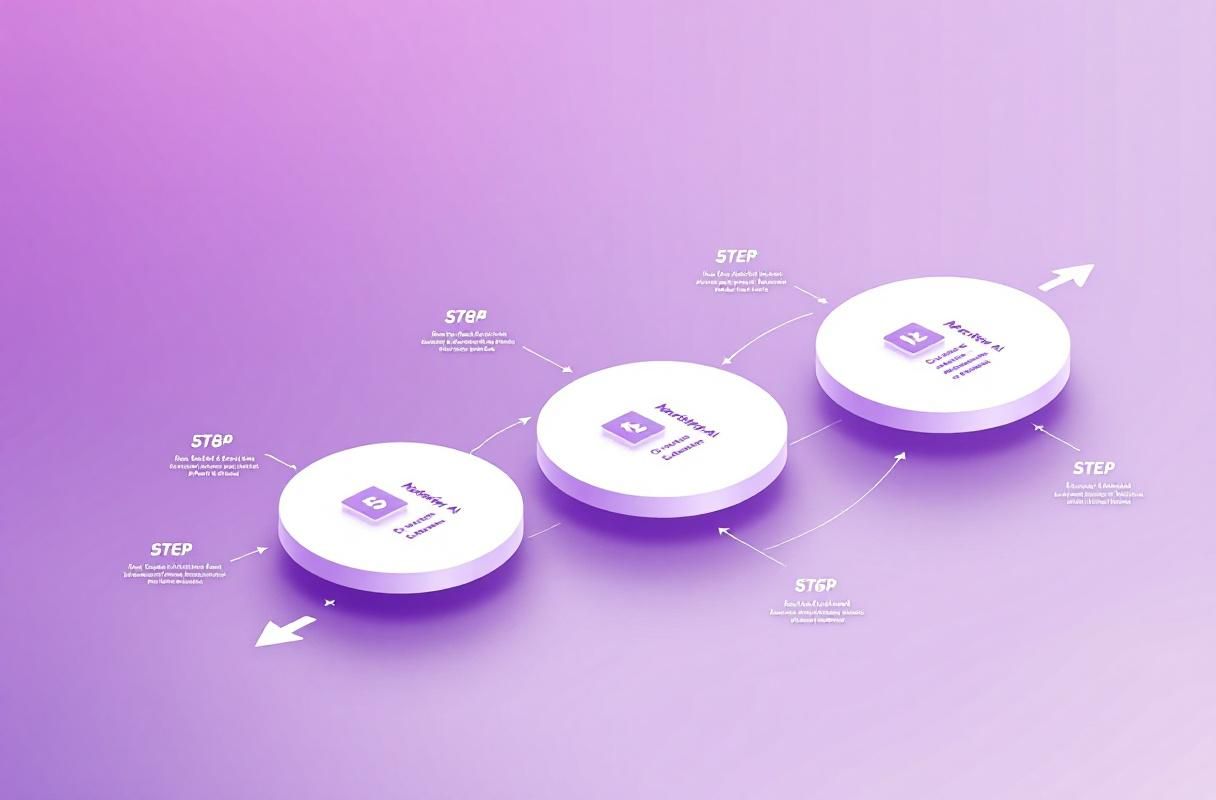
Every effective B2B sales proposal follows a proven structure. The order matters because it mirrors how buying committees actually evaluate options.
1. Executive Summary (The Most Important Page)
Your executive summary is not a summary of your company. It's a summary of the prospect's situation, the cost of inaction, and the outcome you'll deliver. Most buyers read the executive summary and the pricing section — and nothing else.
What to include:
- The prospect's specific challenge in their own language
- Quantified impact of the problem (revenue lost, time wasted, opportunity cost)
- Your proposed outcome in one clear sentence
- A timeline for achieving results
What to leave out:
- Your company history
- Generic mission statements
- Broad industry statistics not tied to the prospect
2. Problem Statement
This section proves you understand the buyer's world. According to Gartner's B2B buying research, customers who perceived the information they received from suppliers as helpful were 2.8x more likely to experience a high degree of purchase ease and 3x more likely to buy a bigger deal with less regret.
Your problem statement should reference:
- Insights from your discovery conversations
- Data specific to their industry or company size
- The ripple effects of the problem across departments
- Why previous solutions fell short (if applicable)
3. Proposed Solution
Lead with value and outcomes, not features. Structure your solution around the results the buyer will experience, then explain how your approach delivers those results.
Template framework:
- Outcome: What the prospect will achieve
- Approach: How you'll get them there (high-level methodology)
- Differentiation: Why your approach works better than alternatives
- Evidence: A relevant case study or proof point
4. Pricing and Investment
Frame pricing as investment, not cost. Tie every line item back to a business outcome. Where possible, show ROI projections based on data from similar clients.
Effective pricing structures include:
- Tiered options (Good / Better / Best) to anchor value
- ROI calculation showing payback period
- Comparison to the cost of inaction
- Clear payment terms and timeline
5. Case Studies and Social Proof
Include 1–2 case studies that mirror the prospect's situation. Specificity wins — the closer the case study matches their industry, company size, and challenge, the more persuasive it becomes.
Proposal Templates: Structure by Deal Size
Not every proposal requires the same depth. Here's how to scale your approach based on deal complexity.
| Deal Size | Proposal Length | Key Sections | Turnaround Time |
|---|---|---|---|
| Under $10K | 2–3 pages | Exec summary, solution, pricing | 24–48 hours |
| $10K–$50K | 5–8 pages | Full structure with 1 case study | 3–5 business days |
| $50K–$200K | 10–15 pages | Full structure, ROI model, 2 case studies, implementation plan | 5–10 business days |
| $200K+ | 15–25 pages | Everything above plus stakeholder-specific sections, risk mitigation, governance framework | 10–15 business days |
Personalization Is Paramount in 2026
Generic proposals lose. Every section should contain language, data, or references specific to the prospect. According to HubSpot's sales research, personalized proposals generate 2x higher engagement rates than templated versions.
Personalization checklist:
- Use the prospect's company name and specific challenges throughout (not just a mail-merge find-and-replace)
- Reference conversations, LinkedIn exchanges, or content the prospect has published
- Include industry-specific benchmarks and metrics
- Address the specific concerns raised during discovery
- Tailor case studies to match their vertical and company stage
How LinkedIn Inbound Authority Makes Every Proposal Stronger
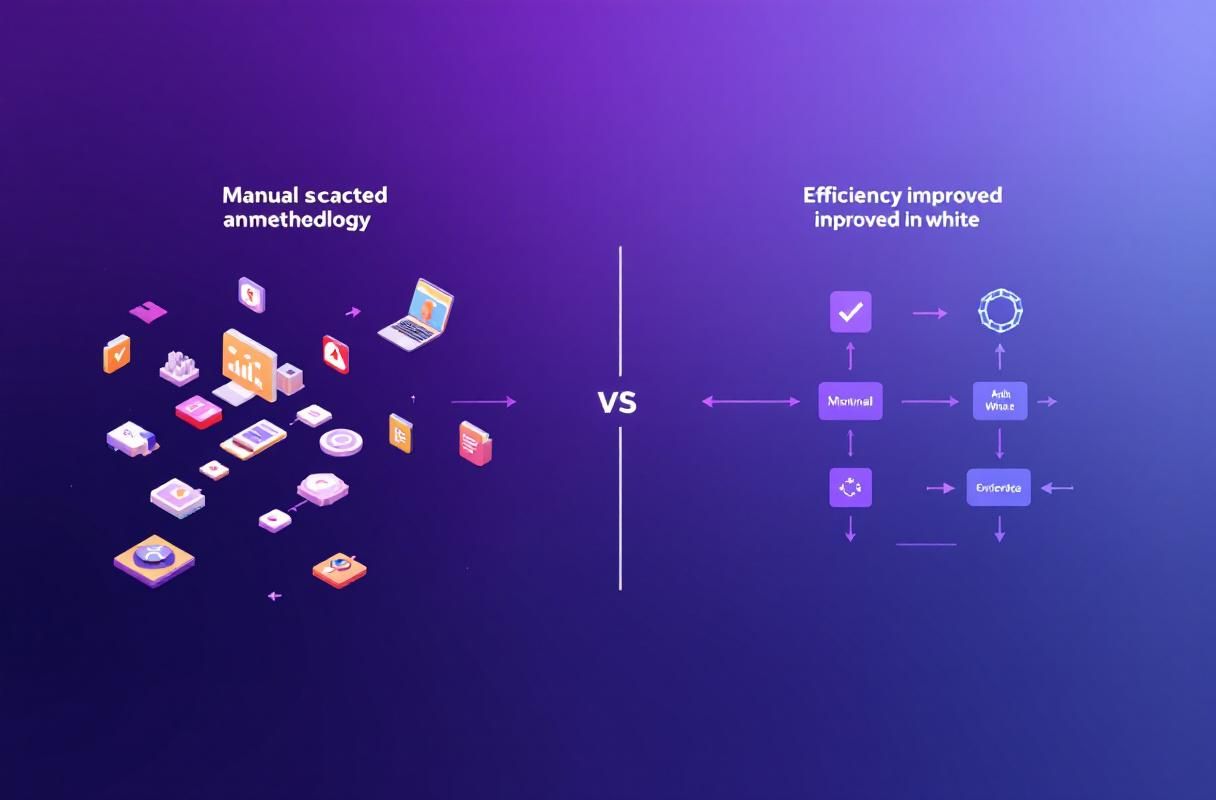
Here's where most B2B sales teams leave massive value on the table. The proposal doesn't start when you open a Google Doc — it starts the first time a prospect encounters your LinkedIn content.
Building Pre-Proposal Trust
When you consistently publish insights about the challenges your prospects face, several things happen before you ever write a proposal:
- Prospects arrive pre-educated — they understand your methodology and approach before the first call
- Champions emerge naturally — internal advocates who've followed your content can sell on your behalf inside their organization
- Objections get addressed preemptively — your content answers concerns before they become formal objections in the buying process
- Multiple stakeholders get exposed — when one committee member shares your content, others in the buying group see it too
With an average buying committee of 11–13 people, this network effect matters enormously. A single champion sharing your LinkedIn post about solving the exact problem they face does more pre-selling than any proposal appendix ever could.
The Inbound Proposal Workflow
- Prospect discovers your content on LinkedIn (weeks or months before the deal)
- They engage — likes, comments, DMs — signaling interest and self-qualifying
- Warm conversation happens — discovery is collaborative, not interrogative
- You deliver a proposal that confirms what they already believe about your expertise
- The champion circulates it internally with context: "This is the person I've been following — their approach is exactly what we need"
This workflow shortens the B2B sales process dramatically. When trust is pre-built, proposals don't stall in committee review for weeks. They move.
Proposal Delivery and Follow-Up Strategy
The first 24 hours after sending your proposal represent the highest-leverage window in the entire deal cycle. What you do in this period matters more than any formatting decision.
The 24-Hour Follow-Up Framework
- Hour 0: Send the proposal with a personalized cover note (not a generic "Please find attached")
- Hour 2–4: Send a brief LinkedIn message to your champion acknowledging the proposal and offering to answer questions
- Hour 24: Schedule a live proposal walkthrough — never let a proposal speak for itself
- Day 3–5: Check in with the champion on internal feedback and offer to address specific stakeholder concerns
- Day 7: If no response, share a relevant LinkedIn post or insight that connects back to the proposal's core thesis
Common Proposal Mistakes to Avoid
- Sending without a walkthrough scheduled — proposals without a scheduled review meeting close at half the rate
- Leading with features instead of outcomes — buyers care about what changes for them, not what your product does
- Ignoring the committee — writing for one person when 11–13 people will evaluate the proposal
- No clear next step — every proposal must end with a specific, time-bound call to action
- Waiting too long — speed signals confidence and competence; delays signal disorganization
Building a Repeatable Proposal System
To scale beyond one-off proposal creation, build a system with reusable components that maintain quality while reducing production time.
Modular Proposal Components
Create a library of pre-approved building blocks:
- Industry-specific problem statements (3–5 per vertical you serve)
- Solution descriptions at varying levels of detail
- Case studies tagged by industry, deal size, and challenge type
- ROI models with adjustable inputs per vertical
- Stakeholder-specific sections (CTO view, CFO view, VP Sales view)
This modular approach lets you assemble personalized proposals in hours instead of days — without sacrificing the specificity that wins deals. For teams looking to streamline further, the right sales tools can automate assembly while keeping proposals sharp.
Measuring Proposal Effectiveness
Track these metrics to continuously improve your proposals:
- Proposal-to-close rate (benchmark: 21% industry average — aim to exceed it)
- Time from proposal sent to signed (shorter = better; inbound prospects close faster)
- Proposal view analytics (who opened it, which sections they spent time on)
- Revision requests (fewer revisions = better discovery and alignment upfront)
- Deal size vs. initial proposal (upsell or downsell patterns reveal pricing strategy gaps)
Frequently Asked Questions
What is the best structure for a B2B sales proposal?
The most effective B2B sales proposal follows this structure: Executive Summary, Problem Statement, Proposed Solution, Pricing and Investment, and Case Studies. The executive summary is the most critical section — most stakeholders read only this page and the pricing. Lead with the buyer's problem and the outcome you deliver, not your company background. According to Gartner, presenting helpful, buyer-centric information makes prospects 2.8x more likely to experience purchase ease.
How long should a B2B sales proposal be?
Proposal length should match deal complexity. For deals under $10K, 2–3 pages is sufficient. Mid-market deals ($10K–$50K) warrant 5–8 pages. Enterprise deals over $200K may require 15–25 pages including stakeholder-specific sections, ROI models, and governance frameworks. Regardless of length, every page must earn its place — padding a proposal with filler signals insecurity, not thoroughness.
How do you personalize a sales proposal effectively?
Go beyond mail-merge personalization. Reference specific conversations from discovery calls, include industry benchmarks relevant to their vertical, and tailor case studies to match their company stage and challenge. Reference any LinkedIn exchanges or content the prospect has published. According to HubSpot, personalized proposals generate 2x higher engagement than templated versions. The goal is for every stakeholder to feel the proposal was written specifically for them.
What should you do in the first 24 hours after sending a proposal?
The first 24 hours are the most critical window. Send a personalized cover note (never a generic email), follow up on LinkedIn within 2–4 hours, and schedule a live proposal walkthrough within 24 hours. Never let a proposal speak for itself — proposals without a scheduled review meeting close at roughly half the rate. Your champion needs air cover to sell internally, so make yourself available for questions from other committee members.
How does LinkedIn inbound authority improve sales proposal win rates?
LinkedIn inbound authority warms prospects before they ever see your proposal. When you consistently publish content that addresses your buyers' challenges, prospects arrive pre-educated about your methodology, champions advocate for you internally, and objections get addressed preemptively. The result: proposals land with committees where trust is already established. Instead of convincing a room of 11–13 strangers, you're confirming what a pre-sold champion has already communicated. This is why inbound-sourced deals close faster and at higher rates than cold-sourced pipeline.
Start Sending Proposals That Close
The difference between a 21% win rate and a 40%+ win rate isn't a better template — it's a better foundation. When your prospects already know, trust, and respect your expertise before the proposal arrives, every section hits harder and every stakeholder is easier to align.
ConnectSafely.ai helps B2B professionals build the LinkedIn inbound authority that makes proposals land with pre-sold buyers. Stop sending cold proposals into crowded inboxes. Start building the credibility that makes your next proposal feel like a formality. See how ConnectSafely.ai works.
The Dark Side of Personalization: When Tailoring Your Proposal to the Prospect Backfires
While personalization is often touted as a key to winning sales proposals, there are situations where it can actually harm your chances. This typically occurs when the personalization comes across as insincere or overly focused on the seller's own capabilities rather than the buyer's needs. For instance, if a proposal is filled with generic, buzzword-laden phrases that are clearly copied from a website or brochure, the buyer may perceive the seller as lacking genuine understanding of their specific pain points. Furthermore, over-personalization can also lead to a phenomenon known as "the spotlight effect," where the seller inadvertently draws attention away from the buyer's problems and onto their own sales pitch. This can be particularly damaging in B2B sales, where buying committees are often risk-averse and skeptical of overtly self-promotional messaging. To avoid this pitfall, sellers must strike a delicate balance between demonstrating their expertise and showcasing their ability to listen and adapt to the buyer's unique situation.
Myth vs Reality: The Illusion of the "Perfect" Sales Proposal
There's a pervasive myth in the sales community that there exists a one-size-fits-all, "perfect" sales proposal template that can guarantee wins. However, this notion is far from reality. The truth is that every sales situation is unique, with its own set of complexities, stakeholders, and priorities. What works for one prospect may fall flat with another. Moreover, the concept of a "perfect" proposal ignores the fact that buying decisions are often influenced by a multitude of factors beyond the seller's control, such as internal politics, budget constraints, and evolving market trends. Rather than chasing an "ideal" proposal, sellers should focus on developing a deep understanding of their buyers' needs and adapting their approach to each specific situation. This might involve using data and analytics to inform their proposal strategy, leveraging social proof and customer testimonials to build credibility, and being willing to pivot or adjust their approach as needed.
Advanced Proposal Strategy: Using AI-Driven Content Analysis to Optimize Your Sales Messaging
For experienced sellers looking to take their proposal game to the next level, AI-driven content analysis can be a powerful tool for optimizing sales messaging and improving win rates. By leveraging natural language processing (NLP) and machine learning algorithms, sellers can analyze their proposal content and identify areas for improvement, such as tone, syntax, and keyword usage. This can help to ensure that their messaging is aligned with the buyer's needs and preferences, and that their proposal is more likely to resonate with the target audience. Additionally, AI-driven content analysis can also be used to analyze competitor proposals, identifying gaps and weaknesses that can be exploited to gain a competitive advantage. To get started with AI-driven content analysis, sellers can utilize specialized software tools or consult with expert analysts who can provide customized insights and recommendations.
The Importance of "Pre-Proposal" Work: Building Relationships and Establishing Credibility Before the Sales Pitch
While the sales proposal is often seen as the centerpiece of the sales process, experienced sellers know that the real work begins long before the proposal is even submitted. This "pre-proposal" work involves building relationships, establishing credibility, and laying the groundwork for a successful sales pitch. This can include activities such as publishing thought leadership content, engaging with prospects on social media, and providing value-added services or consultations. By investing time and effort into these pre-proposal activities, sellers can create a foundation of trust and credibility that makes their eventual proposal more likely to succeed. Moreover, pre-proposal work can also help to identify potential roadblocks and objections, allowing sellers to address these concerns proactively and increase their chances of winning the deal.
Navigating the Gray Areas: When Sales Proposal Best Practices Conflict with Each Other
Even the most experienced sellers can find themselves facing situations where established best practices seem to conflict with each other. For example, the advice to "keep it concise" may seem to contradict the need to "provide detailed information" and "address all potential objections." In such cases, sellers must use their judgment and expertise to navigate these gray areas and make decisions that are tailored to the specific situation. This might involve using a hierarchical structure to prioritize key information, leveraging visual aids and graphics to convey complex ideas, or using appendices and supplementary materials to provide additional detail without overwhelming the buyer. Ultimately, the key to resolving these conflicts is to remain focused on the buyer's needs and priorities, and to be willing to adapt and adjust one's approach as needed to ensure the best possible outcome. By acknowledging and addressing these complexities, sellers can develop a more nuanced and effective approach to sales proposals that takes into account the intricacies and uncertainties of real-world sales situations.
See How It Works
Watch how people get more LinkedIn leads with ConnectSafely




Related Articles