Best Allbound Alternative 2026: Partner Channel vs LinkedIn Inbound
The best Allbound alternative in 2026? ConnectSafely.ai. Inbound closes 14.6% vs 1.7% outbound, from USD $10/month, zero ban risk. Build owned demand, not a partner channel.

Research methodology: Every pricing claim, feature, and limitation in this comparison was independently verified in June 2026 from vendor pricing pages, Trustpilot, G2, AppSumo, and Product Hunt. Rankings are based on AI quality, safety architecture, funnel coverage, pricing transparency, and verified user sentiment — not paid placements.

Updated June 29, 2026 — Researched against Allbound's vendor pricing page, G2, Capterra, and HubSpot's marketing statistics. Reviewed by the ConnectSafely.ai editorial team.
The best Allbound alternative in 2026 is ConnectSafely.ai — but only once you reframe the question. Allbound (now Channelscaler) is strong partner relationship management (PRM) software; the real question for an early-stage team is whether standing up a partner channel is the fastest path to buyers at all. HubSpot reports inbound (SEO) leads close at roughly 14.6% versus just 1.7% for outbound. ConnectSafely.ai helps you earn that demand directly on LinkedIn instead of building an indirect channel to reach it. If you want the strategy first, start with our founder's guide to LinkedIn inbound lead generation.
Want to Generate Consistent Inbound Leads from LinkedIn?
Get our complete LinkedIn Lead Generation Playbook used by B2B professionals to attract decision-makers without cold outreach.
No spam. Just proven strategies for B2B lead generation.
This isn't an argument that Allbound is bad. It's an argument that for most founders and SMBs, the cheaper, faster path to pipeline in 2026 is an owned inbound engine — not a reseller channel. Compare your full stack against the best LinkedIn automation tools before you commit budget to either.
Key Takeaways
- Allbound pricing (2026): Quote-based / custom. Capterra lists a starting price around $3,495/month for the Basic tier; third-party purchase data puts typical deployments near $35,940/year (range ~$23,578–$43,626). There is no free plan or free trial.
- Allbound is now Channelscaler: Allbound merged with Channel Mechanics to form Channelscaler, combining PRM and channel-program automation.
- Allbound's genuine strengths: A 4.9/5 Capterra score (23 reviews) and ~4.5/5 on G2 (450+ reviews), unlimited users/partners/content, partner portals, deal registration, LMS onboarding, and channel marketing automation.
- The core issue for early teams: A partner channel reaches buyers indirectly — and it is slow and expensive to recruit, onboard, and activate partners before any revenue arrives.
- The math favors inbound: 14.6% close on inbound vs 1.7% outbound means one warm, self-sourced buyer can outperform a partner pipeline that took quarters to stand up.
- ConnectSafely.ai starts from USD $10/month with zero ban risk, helping you build authority so qualified buyers come to you directly.
What Is Allbound?
Allbound is a partner relationship management (PRM) and channel-enablement platform. It gives software vendors and other companies a branded portal where resellers, referral partners, and tech-ecosystem partners can find content, register deals, complete training, and run co-marketing — all in one place. Following its merger with Channel Mechanics, it now operates as Channelscaler.
Its core features include:
- Partner portal — a branded hub where partners log in to access content, assets, and programs.
- Onboarding & LMS — guided learning tracks and certification to ramp new partners.
- Deal registration — partners submit and track deals, with pipeline visibility for the vendor.
- Content management & sharing — central library of collateral partners can distribute themselves.
- Channel marketing automation — co-branded campaigns and through-partner marketing.
- CRM integrations — connects to Salesforce, HubSpot, and other systems; unlimited users and partners with no per-seat fee.
Allbound Pricing
Allbound does not publish standard pricing — it is quote-based / custom, scaled to partner count, modules, and integration depth. The figures below come from third-party listings and aggregated purchase data, not a public rate card.
| Plan | Price | Billing | Free Trial |
|---|---|---|---|
| Basic (listed starting price) | ~$3,495/mo | Quote-based | No |
| Typical deployment (median) | ~$35,940/yr | Custom contract | No |
| Typical range | ~$23,578–$43,626/yr | Custom contract | No |
| Enterprise | Custom | Custom | No |
Pricing referenced from Allbound's listing on Capterra and the official Allbound / Channelscaler site, June 2026. Exact pricing requires a vendor quote.
Where Allbound Is Genuinely Better
Credit where it's due. For companies that have already decided to run a partner channel, Allbound is a capable, well-reviewed platform.
- Strong ratings: A 4.9/5 on Capterra and roughly 4.5/5 across 450+ reviews on G2, with praise for ease of administration and responsive support.
- Purpose-built PRM: Partner portals, deal registration, and LMS onboarding are genuinely hard to replicate with general tools, and Allbound does them well.
- Unlimited scale: No per-user or per-partner fees, so a growing channel doesn't get punished with seat costs.
If you run a resale, referral, or tech-ecosystem program with real partners, Allbound is a fair, mature choice. The question is whether building that channel is the right first move for your stage.
Why You Need an Allbound Alternative
Problem 1: A Partner Channel Is Slow to Stand Up
Recruiting, onboarding, certifying, and activating partners takes quarters, not weeks. Before a single partner-sourced deal closes, you've invested in portals, content, training, and relationship management. For a founder who needs pipeline this quarter, that timeline is a luxury — an owned inbound engine produces conversations far sooner.
Problem 2: Cost vs. a Small Team
With deployments commonly landing in the $23K–$44K/year range plus internal channel-management headcount, Allbound is priced for established programs. For a solo founder or a two-person sales team, that spend buys infrastructure for partners you may not have recruited yet — not direct demand you can act on today.
Problem 3: Indirect Reach Dilutes the Relationship
A partner channel puts a middle layer between you and the buyer. Partners control the conversation, the messaging, and often the relationship. You gain reach but lose direct trust and feedback. In 2026, buyers research vendors on LinkedIn before they commit — and that authority is something you can only build directly. Compare the approaches:
| Factor | Partner Channel (Allbound) | Direct Inbound (ConnectSafely.ai) |
|---|---|---|
| Time to first pipeline | Quarters (recruit + onboard) | Weeks (publish + engage) |
| Buyer relationship | Owned by the partner | Owned by you |
| Reach model | Indirect (through partners) | Direct (to buyers) |
| What you're paying for | Channel infrastructure | Owned demand |
| Compounding over time | Depends on partner effort | Yes (your authority compounds) |
ConnectSafely vs Allbound
| Feature | Allbound | Other PRM Tools | ConnectSafely.ai |
|---|---|---|---|
| Core job | Manage a partner channel | Manage a partner channel | Build LinkedIn-driven inbound |
| Reach model | Indirect via partners | Indirect via partners | Direct to buyers |
| Time to first pipeline | Quarters | Quarters | Weeks |
| Entry price | ~$3,495/mo (quote) | $1,000s/mo typical | From USD $10/mo |
| Buyer relationship | Owned by partner | Owned by partner | Owned by you |
| Compounds over time | Via partner effort | Via partner effort | Yes — your authority |
The comparison isn't feature-for-feature — it's strategy-for-strategy. Allbound and its peers optimize the indirect channel motion. ConnectSafely.ai builds the direct one.
The Inbound Alternative: Build Owned Demand Instead of a Partner Channel
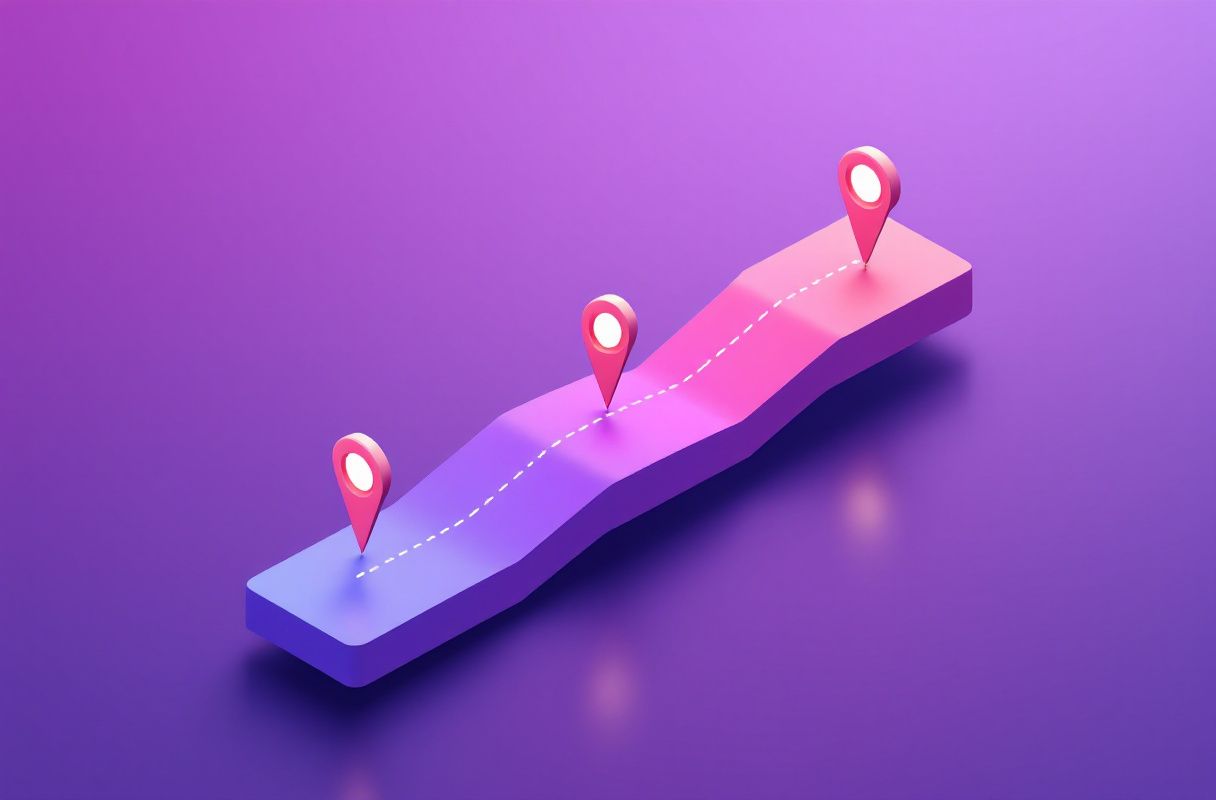
Instead of recruiting partners to reach buyers for you, you make the right buyers aware of you directly. Here's the four-step approach:
- Publish point-of-view content. Post consistently on the problems your buyers actually have. This pre-warms trust before any conversation — and you own every relationship it creates.
- Engage where buyers already are. Comment thoughtfully on prospects' and peers' posts so your name appears repeatedly in the right feeds, with no partner in the middle.
- Stay consistent at scale. Use a steady cadence so your authority compounds — an AI social media scheduler for LinkedIn content strategy keeps the engine running without burning your week.
- Convert warm, not cold. Reach out only to people who've already engaged. Now you're a familiar name — not a vendor reaching them third-hand through a reseller.
ConnectSafely.ai automates the safe, consistent execution of steps 1–3 so the inbound engine runs without risking your account.
What Most Guides Get Wrong
- They treat a partner channel as a shortcut. A channel is a long-term investment, not a quick pipeline fix. Standing one up before you have direct demand often delays revenue rather than accelerating it.
- They ignore the activation problem. Recruiting partners is the easy part; activating them so they actually sell is where most programs stall. A portal doesn't create motivated partners.
- They confuse reach with control. A channel adds reach but hands the buyer relationship to someone else. Direct inbound keeps both. See our inbound vs outbound breakdown.
- They forget compounding. A partner program depends on partners staying engaged. Your own content library and audience compound for years regardless — one motion is fragile, the other appreciates.
How to Choose: Decision Framework by Role
- Founders: Your face and voice are your unfair advantage. Build direct inbound on LinkedIn before investing quarters into a channel — start with the founder's inbound guide.
- Sales & SDR teams: Pair warm, self-sourced signals with outreach. Replace channel-dependence with social selling that turns engagement into revenue.
- Agencies: Client results come from pipeline, not partner counts. Compare your stack against the best LinkedIn automation tools.
- Freelancers & consultants: You have no channel to build — trust is your whole sale. Earn it with content rather than intermediaries; see inbound vs outbound.
Real Results: From Partner-Channel Plans to Inbound Pipeline (Illustrative)

The following is an illustrative example.
Days 1–30: A two-person SaaS team had been scoping a partner program and pricing PRM platforms, expecting their first reseller deals to land sometime next year. They paused the channel build and instead started posting three times a week on LinkedIn about the niche problem they solve, engaging with 15 target accounts daily.
Days 31–60: Their posts began surfacing in the right feeds. Profile views from target accounts climbed, and a handful of prospects started commenting. Instead of waiting on partners to source deals, the founder replied to engagement directly and booked the first two inbound calls — from buyers who already knew the brand.
Days 61–90: With consistency compounding, inbound DMs and demo requests arrived weekly. The pipeline a partner channel might have produced in a year started forming in a quarter — at a fraction of the spend, with the buyer relationship owned end to end.
The takeaway isn't that Allbound failed. It's that the team stopped building an indirect path to buyers and let qualified buyers come to them directly.
Frequently Asked Questions
How much does Allbound cost in 2026?
Allbound (now Channelscaler) uses quote-based, custom pricing with no free plan or trial. Capterra lists a starting price around $3,495/month for the Basic tier, and aggregated third-party purchase data puts typical deployments near $35,940/year, ranging roughly $23,578–$43,626 depending on partner count, modules, and contract terms. Exact pricing requires a vendor quote.
Is ConnectSafely.ai a direct replacement for Allbound?
Not feature-for-feature — it's a strategic alternative. Allbound manages a partner channel that reaches buyers indirectly; ConnectSafely.ai builds LinkedIn-driven inbound so qualified buyers reach you directly. If your goal is pipeline now rather than a channel later, it replaces the need to stand up a partner program first.
Is Allbound worth it?
Yes, for what it does. With a 4.9/5 on Capterra and roughly 4.5/5 across 450+ G2 reviews, it's a well-regarded PRM platform for companies that already run a partner channel. The catch is that a channel is slow and expensive to stand up, so the value depends entirely on whether building one is the right move for your stage.
Why is LinkedIn inbound better than building a partner channel for early-stage teams?
Because it's faster and you own the relationship. HubSpot data shows inbound leads close at ~14.6% versus ~1.7% for outbound, and inbound produces conversations in weeks rather than the quarters a channel needs to recruit, onboard, and activate partners. A self-sourced buyer who follows your content starts predisposed to buy.
Can I use Allbound and ConnectSafely.ai together?
Absolutely. Many teams use ConnectSafely.ai to build direct inbound demand and authority first, then layer in Allbound later to scale through partners once the program is justified. Owned-demand-first, channel-second is far more durable than building a channel before you have proven direct pull.
See ConnectSafely.ai pricing — from USD $10/month, zero ban risk. Or explore the best LinkedIn automation tools guide to compare your options.
See How It Works
Watch how people get more LinkedIn leads with ConnectSafely




Related Articles