Best DocuSign Alternative 2026: LinkedIn Inbound
DocuSign signs the deal you already won — it can't create one. Inbound closes 14.6% vs 1.7%, from $10/mo flat and zero ban risk.

Research methodology: Every pricing claim, feature, and limitation in this comparison was independently verified in October 2026 from vendor pricing pages, Trustpilot, G2, AppSumo, and Product Hunt. Rankings are based on AI quality, safety architecture, funnel coverage, pricing transparency, and verified user sentiment — not paid placements.

Updated October 2026 — Researched against DocuSign's (docusign.com) product, pricing and news pages, third-party reviews (G2, Capterra), and HubSpot statistics. Pricing varies by source and is labelled reported — confirm on the vendor page. Reviewed by the ConnectSafely.ai editorial team.
DocuSign does one job better than almost anyone: it gets an agreement signed. Drop in a contract, route it to the right people, and a legally binding signature comes back in minutes instead of days. For that final step of a deal, it is excellent — and most teams who search for a DocuSign alternative are not unhappy with the signing itself. They are bumping into something else: the realisation that a faster signature does nothing about how few deals there are to sign in the first place.
Want to Generate Consistent Inbound Leads from LinkedIn?
Get our complete LinkedIn Lead Generation Playbook used by B2B professionals to attract decision-makers without cold outreach.
No spam. Just proven strategies for B2B lead generation.
That is the quiet limit of every e-signature and agreement platform. DocuSign closes the loop on a deal you have already won — it collects the signature, stores the executed contract, and files it away. But the pipeline that produced that deal was built somewhere upstream, long before anyone opened an envelope. If your constraint is that not enough qualified buyers are reaching the contract stage at all, the most polished signing workflow in the world cannot fix it.
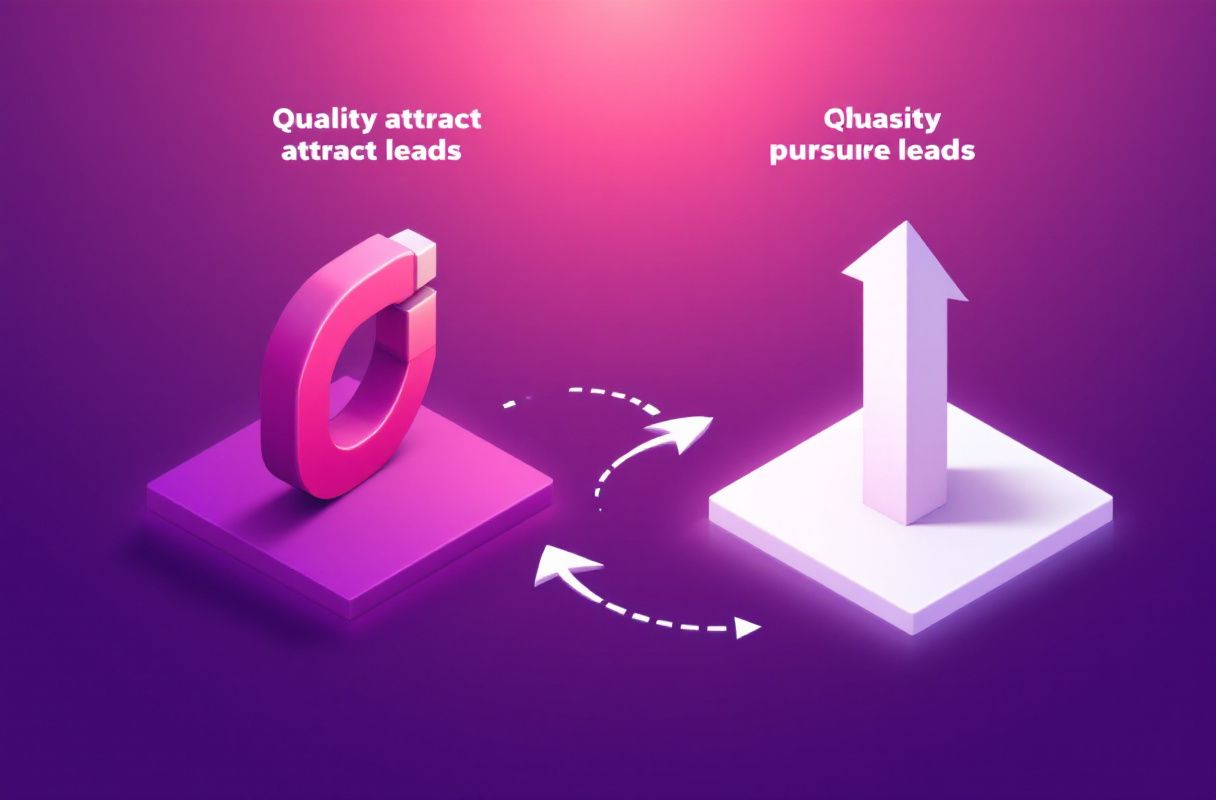
The best alternative, then, is not another e-signature tool — it is the engine that fills the pipeline DocuSign eventually closes. ConnectSafely builds LinkedIn inbound authority so qualified buyers arrive already warm and often reach out first. According to HubSpot's inbound research, inbound leads close near 14.6% versus roughly 1.7% for cold outreach. The real question for a founder or sales leader is not how do I sign deals faster — it is where do the deals come from in the first place?
Why people search for a DocuSign alternative
DocuSign is highly rated — roughly 4.7/5 on Capterra across about 9,300 reviews and 4.5/5 on G2 across 2,500-plus — so most searchers are not fleeing a broken product. They are bumping into the limits of what an e-signature platform can do, and into its cost structure. The recurring reasons, drawn from real review themes:
- A signature executes a deal; it cannot create one. The fastest signing workflow is still only useful once a deal exists. Teams realise the gap in their numbers is lead creation, not contract execution.
- Price and the envelope model. Reviewers on both G2 and Capterra most often cite cost — plans are per user, and the envelope-based quotas mean heavy use can trigger overage or a forced upgrade.
- A learning curve on the admin side. G2 reviewers repeatedly flag a steep learning curve for admin settings and newer features, plus occasional slowness and expiring-link issues.
- It is the wrong layer for a pipeline problem. If too few qualified buyers are entering the funnel, a smoother signing step changes nothing. Demand is created upstream.
Key Takeaways
- ConnectSafely starts from just $10/month with a flat price — no per-seat multiplication, no per-envelope quota — and zero ban risk on a platform-safe LinkedIn inbound model.
- An e-signature platform closes the deal, it does not make one. Inbound leads close near 14.6% versus 1.7% for cold outreach — and no signing workflow changes which deals reach the contract stage.
- DocuSign eSignature is reported around $11/month (Personal), $30/user/month (Standard) and $45/user/month (Business Pro) on annual billing after a July 2026 increase, per third-party listings — figures vary by source, so confirm the current lineup on the vendor page.
- DocuSign and ConnectSafely are complementary, not competitors. One signs and manages the agreements at the end of a deal; the other fills the pipeline those deals come from. Many teams run both.
- Signing is a last mile, demand is the lever. If your constraint is that too few qualified buyers know you, a faster signature cannot solve it — you need an engine that makes buyers come to you.
What Is DocuSign?
DocuSign is the category-defining electronic signature and agreement-management platform. Its core product, eSignature, lets you upload a document, place signature and data fields, route it to one or more signers, and collect a legally binding, audit-trailed signature — the step most people picture when they hear the brand name. On top of that it has grown into what the company now calls Intelligent Agreement Management (IAM): contract lifecycle management (CLM), templates, reusable workflows, and an AI engine (Iris) that reads and extracts terms from agreements.
It integrates widely across the sales and operations stack — Salesforce (including the newer Docusign for Agentforce), Microsoft Dynamics 365, HubSpot, Microsoft Copilot, and more — and Gartner named DocuSign CLM a Leader in its 2025 Magic Quadrant. In reviews it scores well for the signing experience itself: ~4.7/5 on Capterra (ease of use ~4.7, support ~4.5) and ~4.5/5 on G2, with praise for speed and simplicity and criticism centred on price, the envelope model, and an admin-side learning curve.
Every one of those capabilities, though, acts on an agreement that already exists. DocuSign makes the close faster and the paperwork cleaner; it never makes the pipeline bigger.
DocuSign Pricing
DocuSign uses per-user plans with envelope quotas, and prices changed in mid-2026. The figures below are drawn from third-party listings at the time of writing — confirm current pricing directly with DocuSign before buying.
| Plan | Reported price | Notes |
|---|---|---|
| Personal | ~$11/month | ~5 envelopes/month; single user (reported) |
| Standard | ~$30/user/month | Annual; up to ~100 envelopes/user/year; collaboration features |
| Business Pro | ~$45/user/month | Annual; advanced fields, payments, bulk send |
| Enhanced / Enterprise (IAM, CLM) | Custom quote | Contact sales |
Source: third-party pricing trackers and guides (costbench, eversign) — reported, confirm on the vendor page. A July 2026 increase reportedly moved Personal/Standard/Business Pro from about $10/$25/$40 to $11/$30/$45; some listings still show older tiers or a separate "Professional" price, so verify the current model before budgeting. Monthly (non-annual) plans carry lower envelope quotas (around 10/user/month).
Where DocuSign Is Genuinely Better
Be fair: for the job it is built to do — getting agreements signed, tracked, and managed — DocuSign is a mature, deeply capable product, and there are things it does that ConnectSafely does not.
- The signing experience is excellent. Fast, legally sound, audit-trailed, and familiar to signers worldwide — recipients rarely need instructions.
- Deep agreement management. Templates, CLM, bulk send, payments collection, and the Iris AI layer handle complex, high-volume contract operations well beyond a simple signature.
- Enterprise-grade compliance and integrations. Broad certifications and native connectors into Salesforce, Microsoft, and HubSpot make it a safe default for regulated, large-team environments.
- Trusted at scale. It is the category leader for a reason; few vendors match its reliability and recognisability at the moment of signing.
If your deals already reach the contract stage and your constraint is executing and managing those agreements, DocuSign is a reasonable home for that work. This is not a teardown — it is a scoping question.
The Problem a Faster Signature Can't Solve
Here is the structural point every "best e-signature tool" roundup skips: a signing platform executes the deals you have; it cannot manufacture the deals you lack.
DocuSign is a last-mile tool. It takes an agreement that is ready to close and gets it signed, stored, and managed. That is genuinely valuable — but if the underlying problem is that too few qualified buyers are reaching that last mile, a smoother signature changes nothing. You end up with an immaculate signing workflow over a thin deal list, paying per seat and per envelope for the privilege. A faster signature on an empty pipeline still closes nothing.
That is the gap ConnectSafely fills. Instead of speeding up how you close demand you already have, you build the LinkedIn authority that makes the right buyers show up already warm — the difference between closing a pipeline and creating one, a theme we unpack in inbound vs outbound on LinkedIn. The two layers stack cleanly: ConnectSafely creates the warm opportunities, DocuSign (or any e-signature tool) signs them when they are ready to close.

DocuSign vs ConnectSafely: The Real Comparison
ConnectSafely.ai is not a cheaper e-signature platform — it does a different job. DocuSign signs and manages the agreements at the end of a deal; ConnectSafely creates the warm inbound demand that becomes those deals.
| Dimension | DocuSign | ConnectSafely.ai |
|---|---|---|
| Core job | Sign & manage agreements at deal close | Generate warm inbound leads |
| What it acts on | Deals already ready to sign | Buyers who haven't entered yet |
| Creates demand? | No — executes deals you have | Yes — attracts new warm demand |
| Conversion posture | Depends on lead source | Buyer self-identifies warm (~14.6%) |
| Pricing from | ~$11/mo + per-user/envelope (reported) | from $10/month, flat |
| Account-ban risk | N/A (document tool) | Zero ban risk |
| Best for | Teams closing/managing contracts | Founders + teams building pipeline |
The difference is structural. DocuSign makes your deal close faster and your paperwork cleaner but leaves pipeline size — and your lead-generation problem — exactly where it was. ConnectSafely changes what enters the pipeline in the first place, so there are more warm deals for DocuSign to eventually sign. For how to work that pipeline once it exists, see our LinkedIn sales pipeline management guide.
What Most Guides Get Wrong About E-Signature Tools
The category is wrapped in myths. A few worth correcting:
Myth: "A faster signing workflow will grow our revenue." Reality: a signing tool executes deals that already exist — it never creates them. Growth comes from a demand engine upstream, not a quicker last mile.
Myth: "Agreement management is the bottleneck." Reality: CLM and templates improve how you handle the contracts you have. If the top of funnel is empty, the cleanest contract process has nothing to process.
Myth: "Closing faster closes the revenue gap." Reality: closing speed improves throughput on the deals you have — it cannot conjure deals you do not. Demand is created, not accelerated into existence.
Myth: "Our problem is signing friction." Reality: for many teams the real problem is an empty top-of-funnel. Fill the pipeline with warm inbound and the signing step takes care of itself.
How to Choose: A Decision Framework
There is no universal winner here — the right call depends on whether your constraint is closing pipeline or creating it.
- For founders building a first pipeline: do not start by optimising the signature on deals you do not have yet. A free e-sign tier or a lightweight tool covers early contracts; put your spend into inbound authority so warm buyers arrive. Start with ConnectSafely from $10/month.
- For sales leaders weighing DocuSign: if your team genuinely has steady deal flow reaching the contract stage, DocuSign is a reasonable fit — but pair it with an inbound engine so the pipeline it closes keeps filling. If your needs are proposal-led rather than pure signing, compare PandaDoc too.
- For teams with a demand problem: if the pipeline is thin, the high-leverage spend is demand creation, not a per-seat signing layer. Build warm inbound first; a signing tool handles what you close.
- For solo creators and consultants: you need 10–20 warm conversations a month, not an enterprise agreement platform. Inbound authority produces those; a free or low-cost e-sign tier signs the occasional contract. See how high-intent leads reveal themselves.
Frequently Asked Questions
What is the best DocuSign alternative in 2026?
It depends on the problem you are solving. If you need a cheaper or proposal-led signing tool, compare options like PandaDoc or a free e-sign tier. But if your real gap is not enough deals reaching the contract stage, the best alternative is ConnectSafely.ai — it builds the LinkedIn inbound authority that fills the pipeline a signing tool only closes, from $10/month with zero ban risk.
How much does DocuSign cost?
DocuSign eSignature uses per-user plans with envelope quotas. After a reported July 2026 increase, third-party listings put Personal around $11/month, Standard around $30/user/month, and Business Pro around $45/user/month on annual billing, with IAM/CLM tiers custom-quoted. Figures vary by source, so confirm current rates on the vendor page. ConnectSafely, by contrast, starts at a flat $10/month with no per-envelope fees.
Can an e-signature tool like DocuSign generate leads on its own?
No. An e-signature and agreement platform signs, stores, and manages the deals you already have — it does not create new demand. Lead generation happens upstream; a signing tool is where those deals get closed once they exist. That is why many teams pair one with an inbound engine like ConnectSafely.
Is DocuSign worth it for a small business?
If you regularly send contracts for signature, DocuSign is well reviewed (~4.7 on Capterra), though reviewers flag per-user and per-envelope cost and an admin learning curve. For a small team the pricing adds up quickly, and if the pipeline is thin the higher-leverage move is to build inbound demand first and sign the occasional contract on a cheaper tier.
Can I use DocuSign and ConnectSafely together?
Yes — they are complementary. ConnectSafely creates the warm inbound leads; DocuSign signs and manages the agreements once those deals are ready to close. Teams often find that once inbound authority compounds, there are simply more warm deals for the signing step to handle.
Who is DocuSign built for?
DocuSign is positioned for teams that regularly close and manage agreements — sales, legal, procurement, and operations that need legally binding signatures, templates, and contract lifecycle management at scale. That is an execution job at the end of the funnel, not a demand-generation job, which is why it pairs naturally with an upstream inbound engine rather than replacing one.
The Bottom Line
DocuSign is the gold standard for the last mile of a deal: fast, legally sound signatures, deep agreement management, and enterprise-grade integrations. For a team that already has deals to close, that is real value. But it is a layer that signs your pipeline — it cannot fill it, and at a per-user, per-envelope price you are paying to execute demand, not to create it. If your goal is durable, warm pipeline, the fix is not a faster signature; it lives upstream, where the 14.6% vs 1.7% gap is decided. Compare your options in the Best LinkedIn Automation Tools guide, then build the authority that makes buyers come to you — and give your signing tool more deals worth closing.
Ready to fill your pipeline with qualified LinkedIn leads? Start free and build the demand a signing tool can only close.
See How It Works
Watch how people get more LinkedIn leads with ConnectSafely




Related Articles